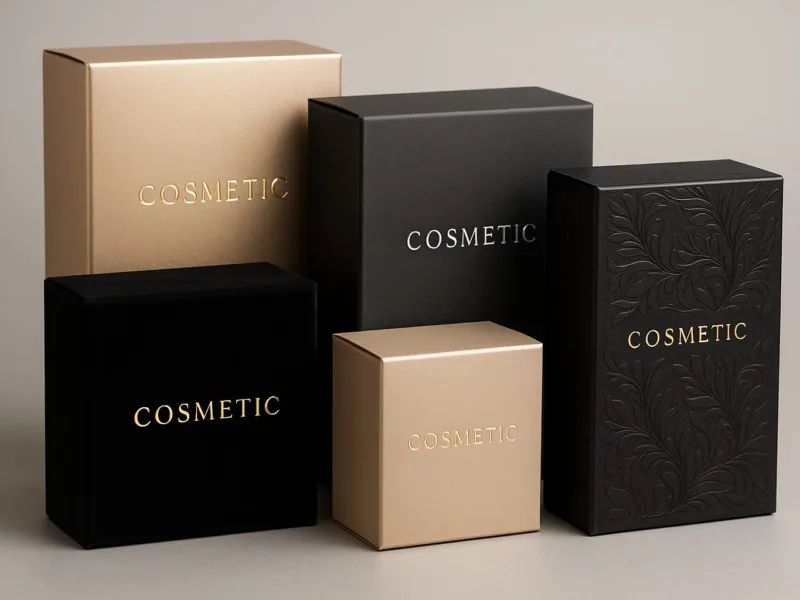
Your product is exceptional, but does its box match? A generic package can undervalue your brand and disappoint customers. The key is elevating the unboxing experience through premium details.
A premium cosmetic box is a sensory experience. It combines high-quality, heavy materials, special textures like soft-touch coatings1, and thoughtful structural design like magnetic closures. These elements work together to create a feeling of quality and exclusivity before the customer even sees the product inside.
This first impression is crucial. A box that feels substantial and looks elegant tells your customer that they have purchased something special. It builds anticipation and reinforces the value of your brand. Let’s break down exactly how we achieve this premium feel.
How Do Materials and Textures Create a Luxury Feel?
Your customers touch the box before they see the product. Does it feel cheap and flimsy? This moment can build or break their perception of quality before the unboxing even begins.
The sense of touch is powerful. We use thick, rigid paperboard for a heavy, substantial feel. We then add surface finishes like soft-touch lamination, embossing, or foil stamping. These tactile details signal high value and make the box feel special and luxurious in your customer's hands.
When a customer picks up a box, their brain immediately makes a judgment. A lightweight, thin box feels inexpensive. A heavy, sturdy box feels valuable and protective. This is why we always start with the foundation: the material itself. I often recommend a thick paperboard, like 1200gsm greyboard, for rigid boxes. This gives the box a substantial weight and structural integrity that instantly communicates quality. The box doesn't bend or warp easily. It feels solid and protective, suggesting the product inside is equally valuable.
The Power of Surface Finishes
Once we have the right material, we focus on the surface. How the box feels is just as important as how it looks. Standard printing can look good, but luxury is about engaging more senses. This is where special finishes come in.
- Soft-Touch or Velvet Lamination: This is one of my favorites. It gives the paper a smooth, almost velvety texture. It’s a very modern and elegant finish that invites people to hold the box. It feels expensive.
- Matte vs. Gloss Lamination: A high-gloss finish can be great for vibrant, bold brands. But for a more understated, premium feel, a matte lamination is often better. It diffuses light, looks sophisticated, and is resistant to fingerprints.
Adding Dimension with Tactile Elements
Beyond the base finish, we add elements that your customers can physically feel. This creates a more memorable an interactive experience.
| Finishing Technique | Description | Effect on Perception |
|---|---|---|
| Embossing | Raises a specific area of the design (like a logo) | Adds a 3D effect, looks sophisticated and classic |
| Debossing | Pushes a specific area of the design inward | Creates a subtle, indented efffect, feels elegant |
| Foil Stamping | Applies a metallic foil (gold, silver, etc.) with heat | Adds a metallic shine, looks luxurious and premium |
| Spot UV | Applies a high-gloss coating to specific spots only | Creates contrast between matte and shiny areas |
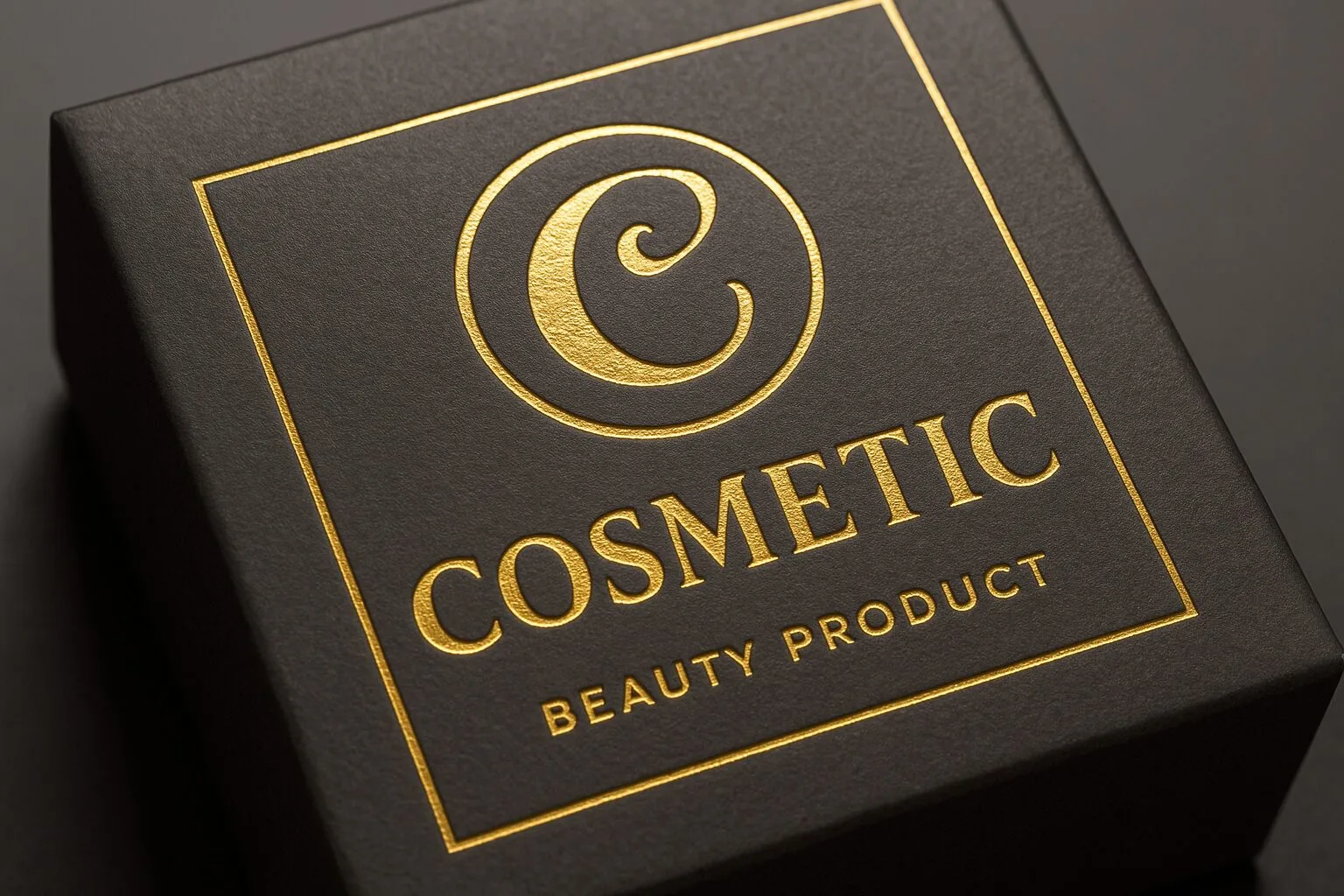
These techniques transform a simple printed box into a piece of art. For example, a matte black box with a gold foil stamped logo and a subtle embossed pattern feels incredibly premium. The customer runs their fingers over the details, and this physical interaction builds a stronger connection with your brand. It shows that you invested in quality, down to the smallest detail.
Why Is Structural Design So Important for the Unboxing Experience?
A standard, basic box does its job, but it doesn't create a "wow" moment. Your customer might just tear it open without a second thought. This is a missed opportunity to make them feel special.
The way a box opens and presents the product is crucial. Clever structural designs like magnetic closures, ribbon pulls, and custom-fit inserts transform unboxing into a ceremony. This controlled experience builds anticipation and elevates the perceived value of your product, making it feel bespoke and protected.
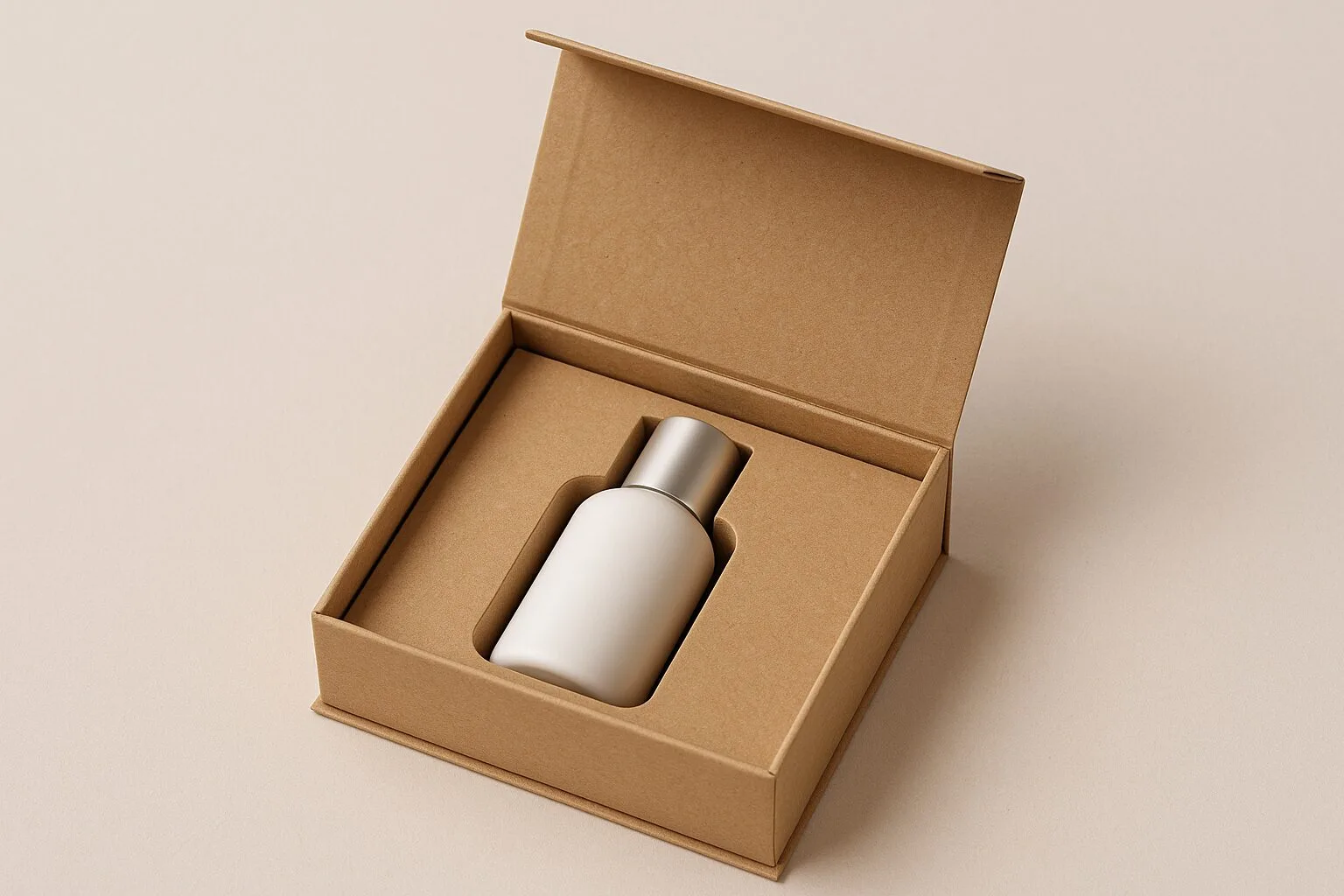
Think about some of the most luxurious products you’ve unboxed. The experience was probably smooth and satisfying. That’s not an accident. It’s the result of excellent structural engineering. The goal is to make the customer feel like they are unveiling a treasure. At Finer-packaging, we achieve this through several key structural elements.
The Magic of the Closure
How a box opens and closes says a lot about its quality. A simple tuck-in flap is functional, but it doesn't feel premium.
- Magnetic Closures: This is the gold standard for luxury boxes. Hidden magnets in the lid and base create a satisfying "snap" when the box closes. It feels secure, high-end, and can be opened and closed many times. It turns the box into a keepsake.
- Ribbon Pulls: Adding a small silk or grosgrain ribbon tab to a lid or drawer makes it easier and more elegant to open. Instead of struggling with a tight lid, the customer is guided by a gentle pull. It’s a small detail that adds a lot of class.
The Role of Inserts
When you open the box, what do you see? If the product is just rattling around inside, it feels careless and cheap. A custom insert is essential for a premium presentation. The insert serves two purposes: protection and presentation.
Common Insert Materials we use:
- EVA Foam: This is a dense, high-quality foam. We cut it precisely to the shape of your product. It holds the item securely and has a very clean, premium look. It’s often used for heavy glass bottles or delicate electronics.
- Paperboard Inserts: We can create intricate folded paperboard inserts that are custom-designed to hold products. They are eco-friendly and can be printed to match the box interior, creating a seamless brand experience.
- Molded Pulp or Thermoformed Plastic: For uniquely shaped items, a custom-molded insert ensures a perfect fit. This makes the packaging feel truly bespoke, as if it were designed only for that one product.
A well-designed insert presents the product perfectly centered as soon as the box is opened. It communicates that you care about your product's safety and about your customer's experience. It’s another layer of detail that reinforces the idea of premium quality.
How Do Visuals and Brand Storytelling Create Exclusivity?
Poor printing or loud, cluttered branding can make even a well-made box look cheap. People instantly notice blurry text, misaligned graphics, or a design that screams for attention instead of whispering elegance.
Exclusivity is about refinement. We achieve this with crisp, high-precision printing2 and subtle, elegant branding. Instead of plastering a logo everywhere, we use design and a story to build an emotional connection. This makes the packaging feel less like an ad and more like a gift.
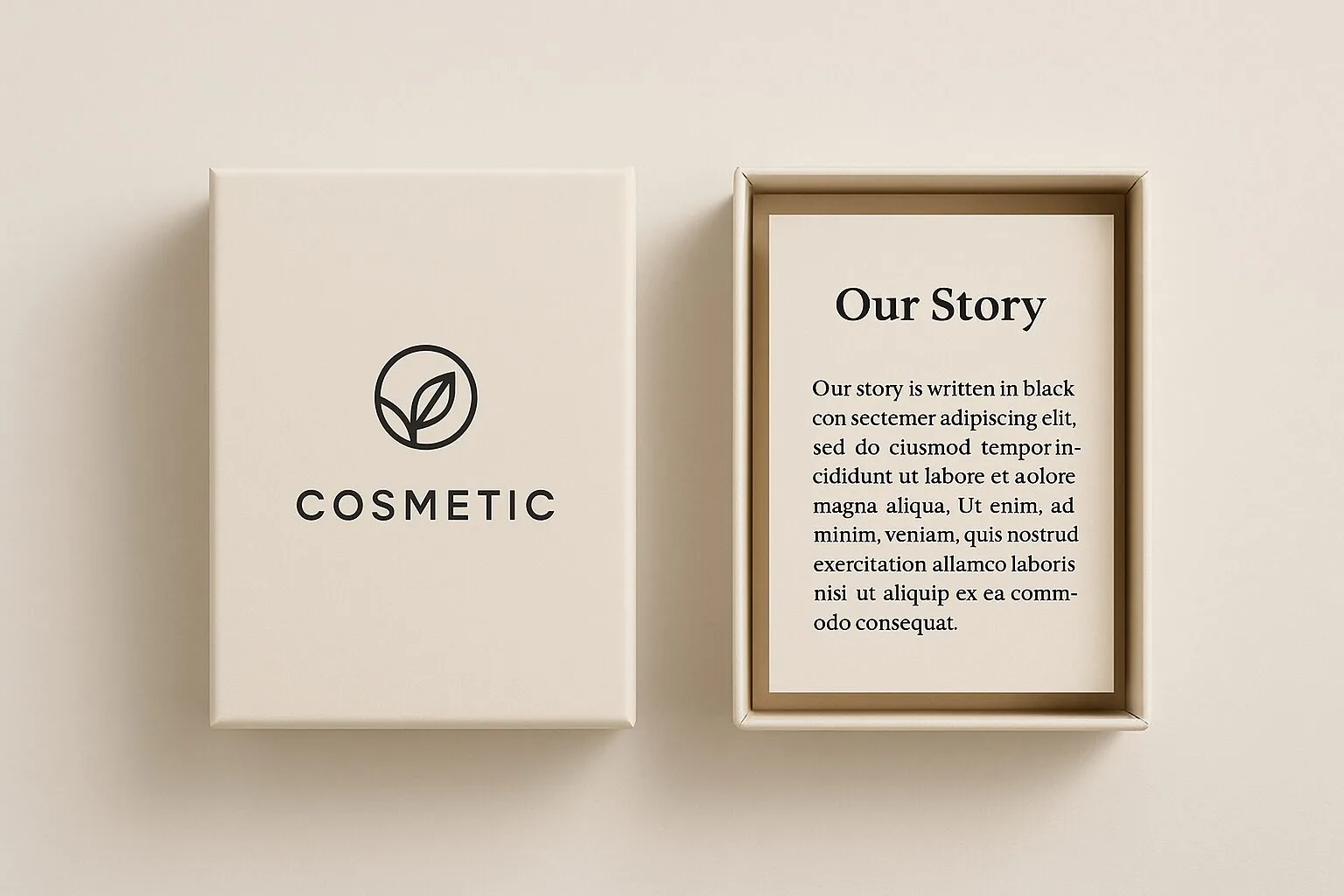
The visual design is where your brand's personality comes to life. A luxury feel is often about what you don't do. It’s not about using every color and every finish. It's about making deliberate, refined choices.
The Importance of Printing Precision
First, the basics have to be perfect. As a factory, this is something I pay very close attention to.
- Color Accuracy: Colors need to be consistent with your brand guidelines. We use the Pantone Matching System (PMS) to ensure the color printed on the box is the exact shade you intended.
- Crisp Graphics and Text: There should be no blurriness or pixelation. All text, no matter how small, must be perfectly sharp and readable. Lines should be clean.
- Precise Alignment: Every element, from foil stamping to embossing, must be perfectly aligned. If a foil logo is slightly off-center, the entire premium effect is ruined. It signals a lack of attention to detail.
Branding: Less is More
Many brands make the mistake of thinking their logo needs to be huge and visible from a distance. For luxury packaging, the opposite is often true. Subtle branding feels more confident and exclusive. It suggests that the brand doesn't need to shout to be recognized. Instead of a large logo on the lid, we might suggest a small, foil-stamped icon on the side, or a blind-embossed brand name that is felt more than seen. This minimalist approach focuses attention on the quality of the box itself.
Weaving a Story into the Experience
The most premium brands don't just sell a product; they sell a story. The packaging is the first chapter of that story. You can incorporate narrative in several ways:
- A Printed Message: A short message printed on the inside of the lid can welcome the customer. Something like "Crafted for you" or a brief line about your brand's philosophy can create an instant connection.
- An Insert Card: Including a beautifully printed card that tells your brand's story, explains the product's key ingredients, or offers a thank you note adds a personal touch.
- Limited-Edition Designs: Creating unique packaging for a special collection or a holiday season makes the product feel more like a collectible. This scarcity increases its perceived value.
When you bring all these visual and narrative elements together, the unboxing is no longer just a transaction. It becomes a memorable brand moment that builds loyalty and makes the customer feel part of an exclusive club.
Conclusion
A premium box is a deliberate synthesis of material, structure, and story. It’s not about one single element, but how they all work together to create a powerful first impression.