Clients ask me this all the time: your factory has machines, so why stick to manual assembly? It seems old-fashioned and slow, and it might cost more.
We use hand assembly because it catches small quality issues machines miss. It handles complex designs flexibly and works well for small runs without big setup costs. The human touch adds value and protects delicate items.
At Finer-packaging, we mix automation with skilled handwork to give you the best results. Machines are great for speed, but hands bring precision that tech can't match. Let's explore why manual assembly is still key for custom packaging.
How Does Manual Assembly Ensure Better Quality and Precision?
Do your packaging designs have tiny details that machines might ruin? Complex folds or fragile ribbons often get damaged by automated lines, leading to rejects and waste.
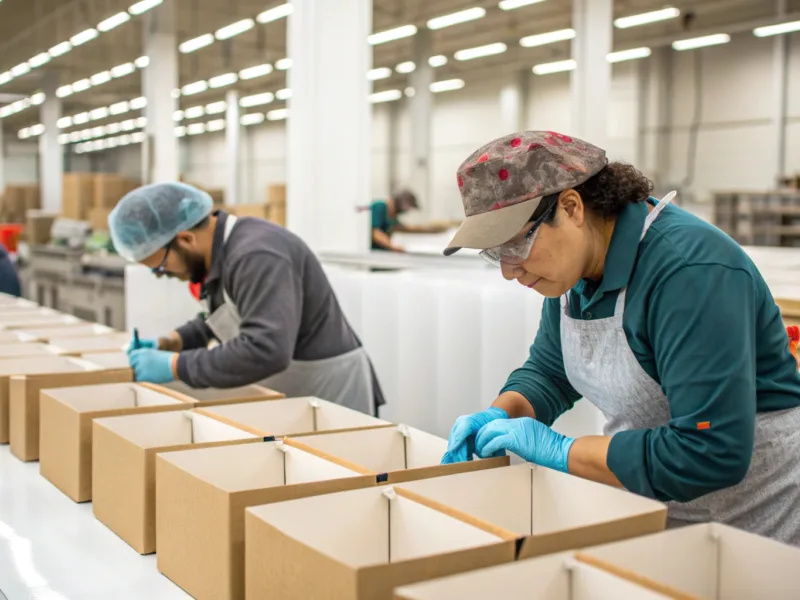
Manual assembly lets workers check each piece right away for tiny flaws. It's perfect for intricate setups with delicate parts. Hands are gentle, avoiding breaks that machines might cause on fragile items.

Quality is everything in packaging. Machines can produce a lot quickly, but they follow a script. If something is off, like a slight material defect, a machine might not notice until it's too late. Humans spot these issues on the spot. At our factory in China, we train our team to inspect as they assemble. This hands-on method is vital for high-end packaging where even a small scratch can ruin the product.
Immediate Quality Checks
Workers touch every piece during assembly. They see, feel, and test for problems right then. A machine scans with sensors, but it might miss subtle things like a weak glue spot or a color mismatch. Our team catches these early. This reduces waste and ensures only perfect boxes leave the factory. For example, if a box has a custom insert for a fragile product, a worker can adjust it perfectly. A machine would need exact programming, and any tiny variation could cause a jam.
Handling Complex Designs
Some packaging is too tricky for machines. Think of boxes with non-standard folds, multiple layers, or delicate add-ons like bows. Machines need custom tools for each design, which takes time to set up. Hands adapt easily. Our workers handle these without extra equipment. This is key for luxury items where precision matters. We once did a run of gift boxes with hand-tied satin ribbons. Automation would have torn them, but manual work kept them pristine.
Gentle Touch for Fragile Components
Machines apply force uniformly, which can crush sensitive parts. Humans adjust pressure as needed. For items like custom labels or thin foils, this gentleness prevents damage. In our B2B model, we serve brands that need top quality. We start with a 500-piece MOQ, and for delicate jobs, hand assembly is our go-to. It protects your investment and delivers boxes that wow your customers.
| Aspect | Manual Assembly Benefit | Automation Challenge |
|---|---|---|
| Quality Inspection | Real-time, human-eye checks for subtle flaws | Relies on sensors that can miss nuances |
| Intricate Designs | Adapts to non-standard folds and components | Requires costly re-tooling for each change |
| Fragile Handling | Gentle, variable pressure to avoid damage | Uniform force that can break delicate items |
This approach keeps our production time at 10-15 business days, even for detailed work. It ensures your packaging arrives ready to impress in North America or Europe.
Why Is Hand Assembly More Flexible and Cost-Effective?
Are last-minute changes killing your budget with machine setups? For small runs or new launches, automation's high costs and long prep times can delay your market entry.
Hand assembly skips big upfront investments in machines. It handles short runs economically and allows quick design tweaks. This shortens your time-to-market and fits variations in one order without extra tools.
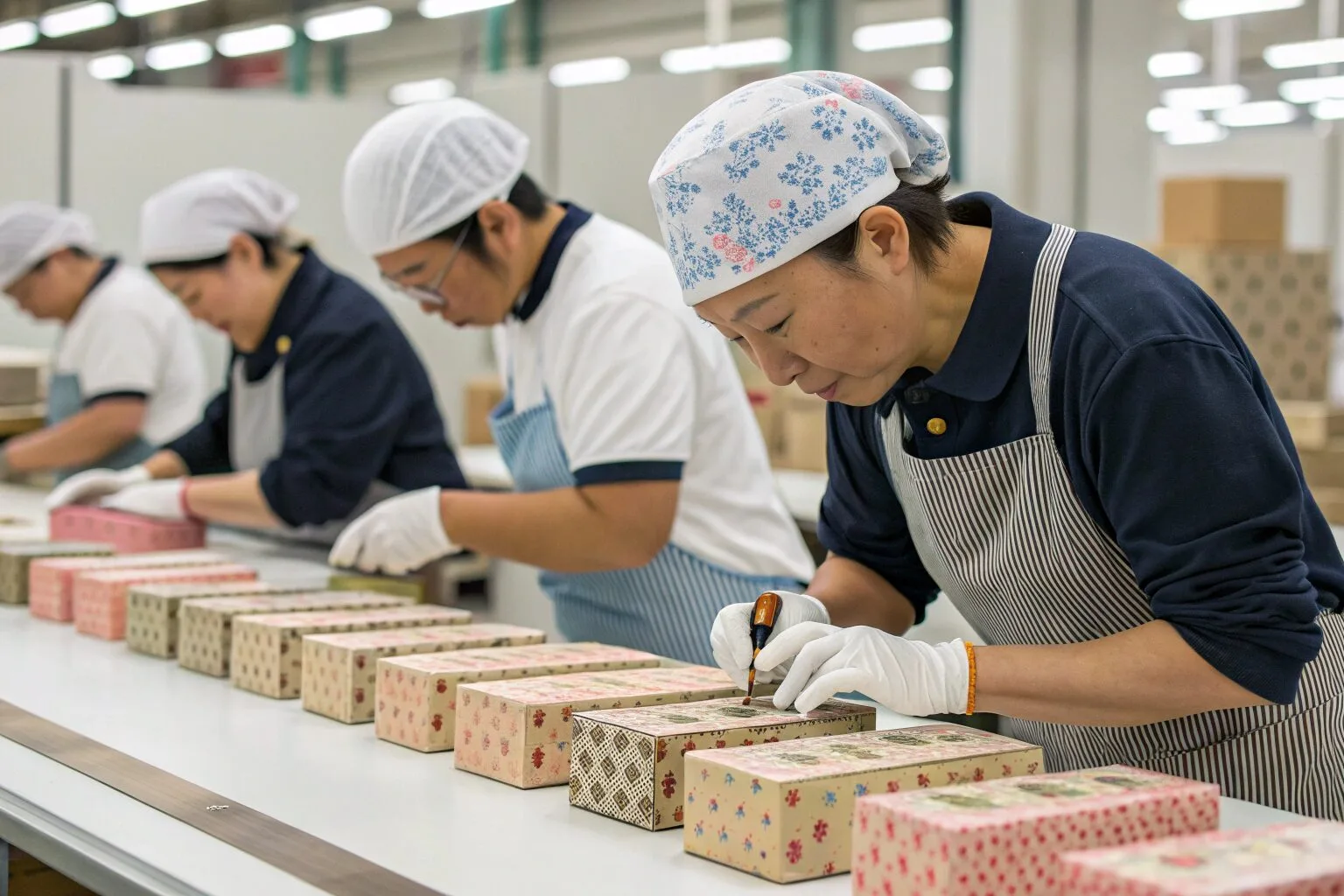
Flexibility is a big reason we stick with manual methods for certain jobs. Automation shines for massive, identical runs, but most of our clients need custom work. They order 500 to 1000 pieces, with unique sizes, prints, and finishes. Setting up a machine for that would cost a fortune and take weeks. Hands let us pivot fast, keeping costs down and timelines short. This is why we can offer customizable styles without breaking your bank.
Low Initial Costs for Small Runs
Automation requires expensive robots and programming. For a limited-edition box, that investment doesn't pay off. Manual assembly uses basic tools and skilled labor, which we have plenty of in China. It's perfect for MOQs starting at 500 pieces. At 1000 pieces, it gets even more cost-effective. You save on setup fees and get your product faster. We avoid the capital expenditure of robotics, passing those savings to you.
Easy Last-Minute Changes
Design tweaks happen. Maybe you want to add a new label or change a fold. With machines, this means stopping the line and re-tooling, which delays everything. Our workers can adjust on the fly. This flexibility is huge for start-up brands or seasonal products. We handle variations in one order, like different colors or inserts, without hassle. It keeps your project moving.
Faster Time-to-Market
New launches need speed. Designing custom automation can take months. Manual assembly lets us start right away. We prototype by hand, test, and produce. This shaves weeks off your schedule. For B2B buyers in various industries, this means beating competitors to market. Our 10-15 day production fits this perfectly.
| Factor | Manual Assembly Advantage | Automation Drawback |
|---|---|---|
| Cost for Short Runs | No high setup fees; labor-based | Expensive initial investment and tooling |
| Design Changes | Quick adaptations without re-tooling | Requires line shutdowns and reprogramming |
| Time-to-Market | Starts immediately; no equipment testing | Lengthy design and testing phases |
We export to North America and Europe, where speed matters. This method keeps us reliable for wholesale clients.
What Extra Value Does Manual Assembly Add to Your Brand?
Does your luxury packaging need that artisanal feel? Automation can make things look too uniform, missing the charm that "hand-finished" brings to high-end products.
The hand-finished story boosts your marketing, adding perceived value. It offers resilience against breakdowns and uses skilled labor economically for complex tasks, reducing single-point failures.
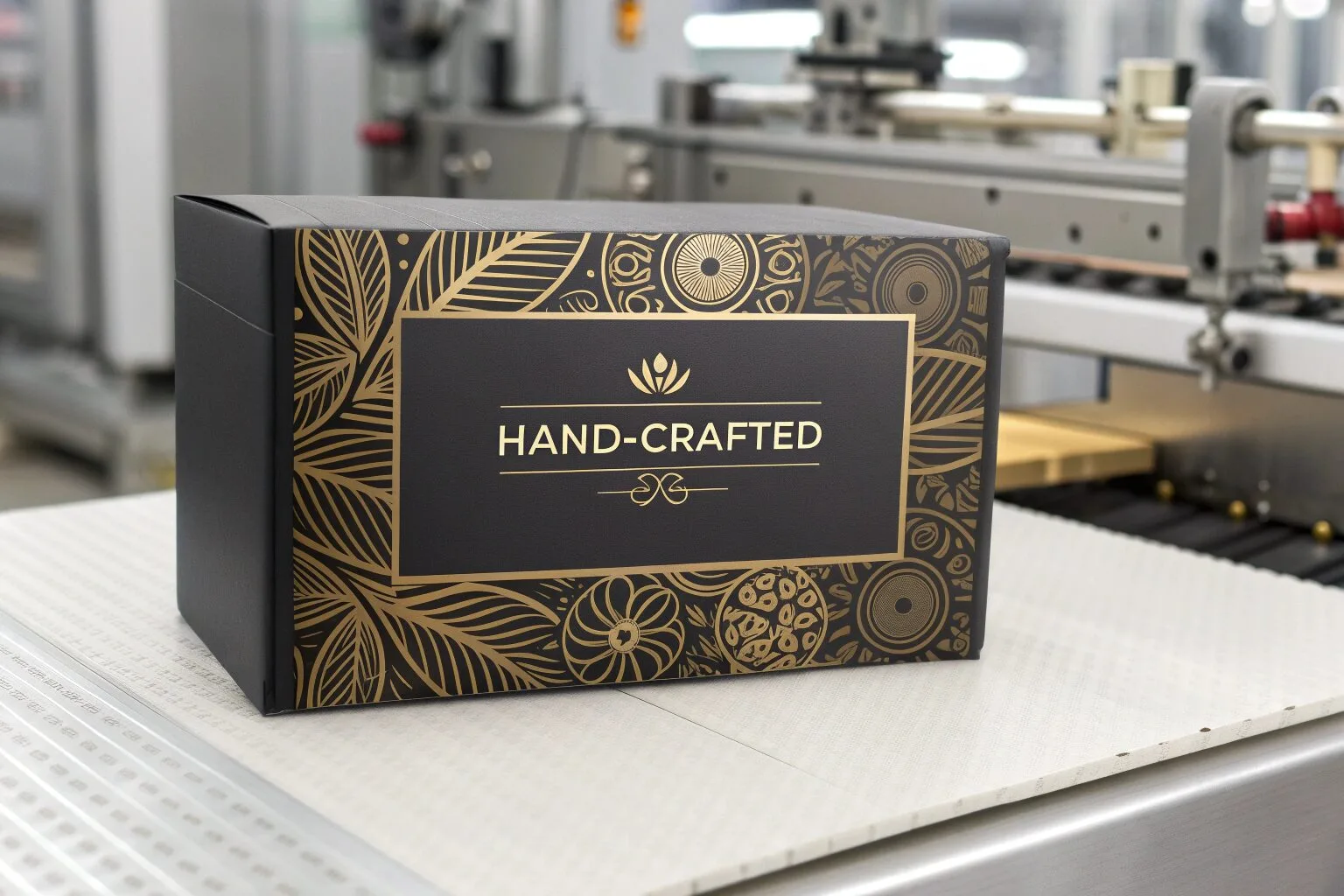
Beyond the basics, manual assembly brings intangible benefits that enhance your brand. It's not just about making boxes; it's about creating a narrative. In a world of mass production, the human element stands out. We use this at Finer-packaging to give our clients an edge. For luxury or artisanal brands, it's a selling point that justifies higher prices.
Marketing Power of Craftsmanship
"Hand-finished" is a strong hook. It tells a story of care and tradition. Customers pay more for that perception. We add this to packaging for brands in cosmetics or gifts. It turns a simple box into a premium item. Our clients use it in promotions on Alibaba or at exhibitions.
Resilience and Risk Reduction
Automated lines can stop if one part fails. Manual assembly spreads the work. If one worker is out, others step in. This keeps production steady. It's more resilient for our factory setup.
Leveraging Skilled Labor
In China, we have access to talented workers. For complex tasks, hands are cheaper than robots. This economic edge lets us handle precise, non-uniform placements like custom inserts. It's ideal for unique products.
| Benefit | How Manual Assembly Delivers | Impact on Your Brand |
|---|---|---|
| Marketing Appeal | Adds 'hand-crafted' story | Increases perceived value and loyalty |
| Production Resilience | No single failure point | Ensures consistent output |
| Economic Efficiency | Uses affordable skilled labor | Lowers costs for complex, custom work |
This approach fits our B2B, wholesale model, serving large companies and startups.
Conclusion
Manual assembly delivers unmatched quality, flexibility, and brand value. It may seem old-school, but for custom packaging, it's often the smartest choice.