Is your product getting lost in a sea of generic brown boxes on Amazon? Are eco-conscious shoppers scrolling past your listing because it looks wasteful? Standing out requires more than just a good product; it requires shared values.
To make your Amazon product stand out, aim for the "Compact by Design" and "Climate Pledge Friendly" badges by right-sizing your packaging. Switch to 100% curbside recyclable materials like kraft paper, replace plastic void fill with paper alternatives, and clearly print your sustainability certifications like FSC directly on the box.
Sustainability is no longer a niche preference; it is a major driver of purchasing decisions on Amazon. By optimizing your packaging, you not only help the planet but also gain algorithmic advantages and customer loyalty. Let’s explore how to achieve this.
How Do Amazon's Own Eco-Programs Boost Visibility?
Struggling to get eyeballs on your listing despite having a great product? Do you feel buried in search results? Amazon actually rewards you for being eco-friendly with dedicated visibility boosters.
Qualifying for Amazon's "Compact by Design" or "Climate Pledge Friendly" programs grants your product a dedicated badge. This differentiates your listing in search results, improves click-through rates, and allows your product to appear in specific sustainable shopping filters.
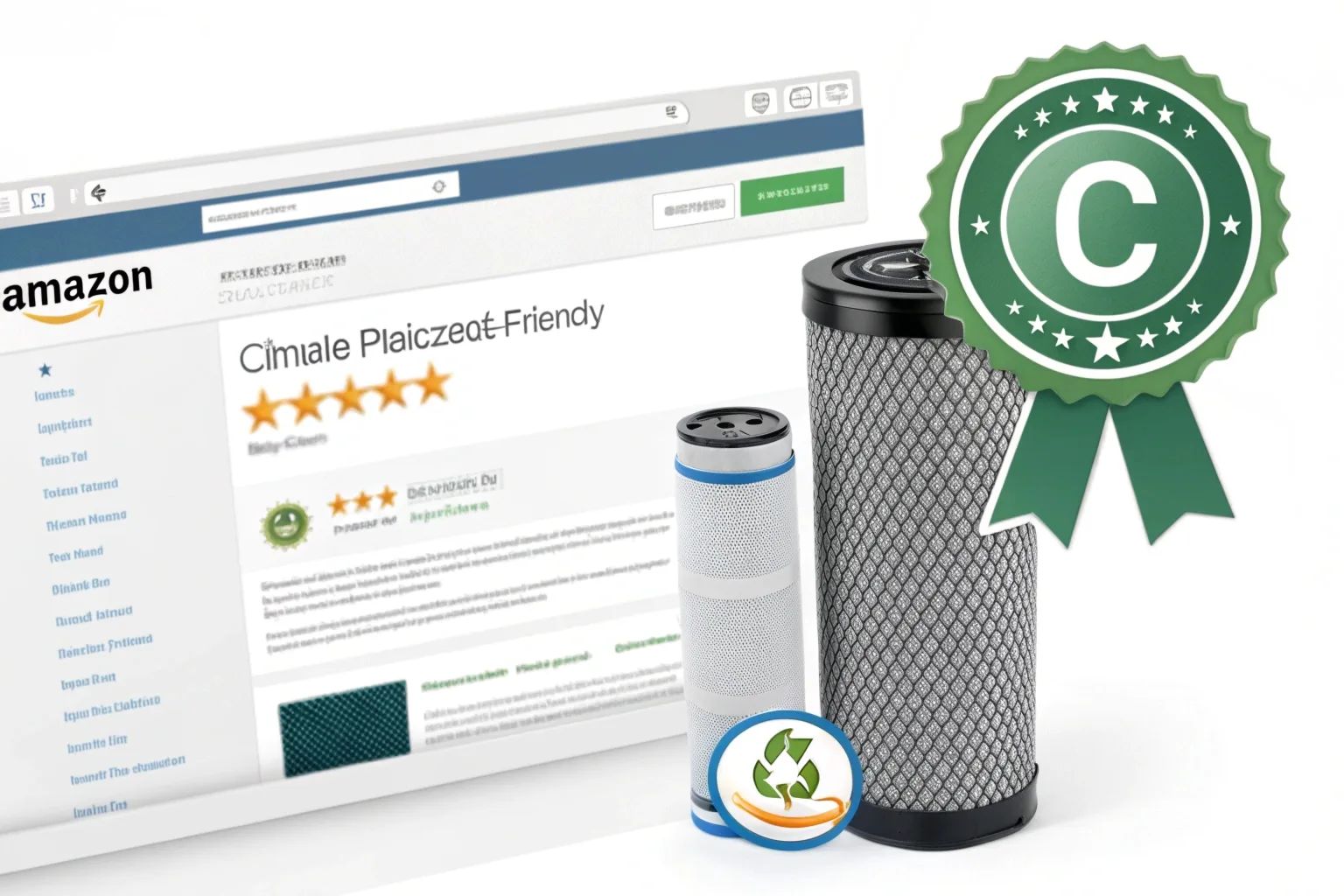
Amazon has aggressive sustainability goals, and they incentivize sellers who help them meet those targets. The most direct way to stand out is to earn the badges that prove your packaging is efficient and responsible. These badges act like a seal of approval that catches a shopper's eye immediately as they scroll through search results.
Compact by Design
The "Compact by Design" certification is all about efficiency. It identifies products that have a more efficient design to remove excess air and water.
- The Logic: By reducing the packaging size (and thus the shipping volume), Amazon can fit more boxes on a truck, reducing carbon emissions.
- How to Qualify: You need to improve your "unit efficiency," which is calculated using the product's volume and weight. The most effective way to do this is by "right-sizing" your packaging. This means creating a custom box that fits your product snugly, eliminating the "wasteful air" that usually surrounds items in stock boxes.
- The Benefit: Besides the badge, right-sizing often drops you into a lower FBA fee tier, saving you money while boosting your eco-credentials. At Finer-Packaging, we specialize in engineering custom structural designs that hug the product, removing the need for excess void fill and helping clients hit these efficiency metrics.
Climate Pledge Friendly
This is the broader umbrella program.
- Search Visibility: Shoppers can filter search results to show only "Climate Pledge Friendly" items. If you aren't in this program, you become invisible to these high-intent buyers.
- Qualification: You can qualify by earning one of Amazon's own certifications (like Compact by Design) or one of many third-party certifications (like FSC). Enrolling in this program signals to the customer instantly that your brand is a responsible choice.
What Material Changes Have the Biggest Impact?
Are customers leaving negative reviews about "too much plastic" or Styrofoam making a mess? Is your unboxing experience hurting the planet? Switching materials is the tangible proof of your commitment.
Switching to 100% curbside recyclable materials like kraft paper or corrugated board significantly appeals to customers by simplifying disposal. Replacing plastic protective elements like bubble wrap with paper-based alternatives like honeycomb paper enhances your eco-credentials.
When a customer opens your Amazon package, the materials they touch define their perception of your brand. If they have to separate plastic film from cardboard to recycle the box, it creates friction. If they see Styrofoam, they often feel guilty. The goal is a "guilt-free" unboxing.
Eliminating the "Plastic Guilt"
The most impactful change you can make is removing single-use plastics.
- Replace Bubble Wrap: Instead of plastic bubble wrap, use honeycomb paper. It expands to provide cushioning and is made entirely of paper, meaning the customer can throw it right in the recycling bin with the box.
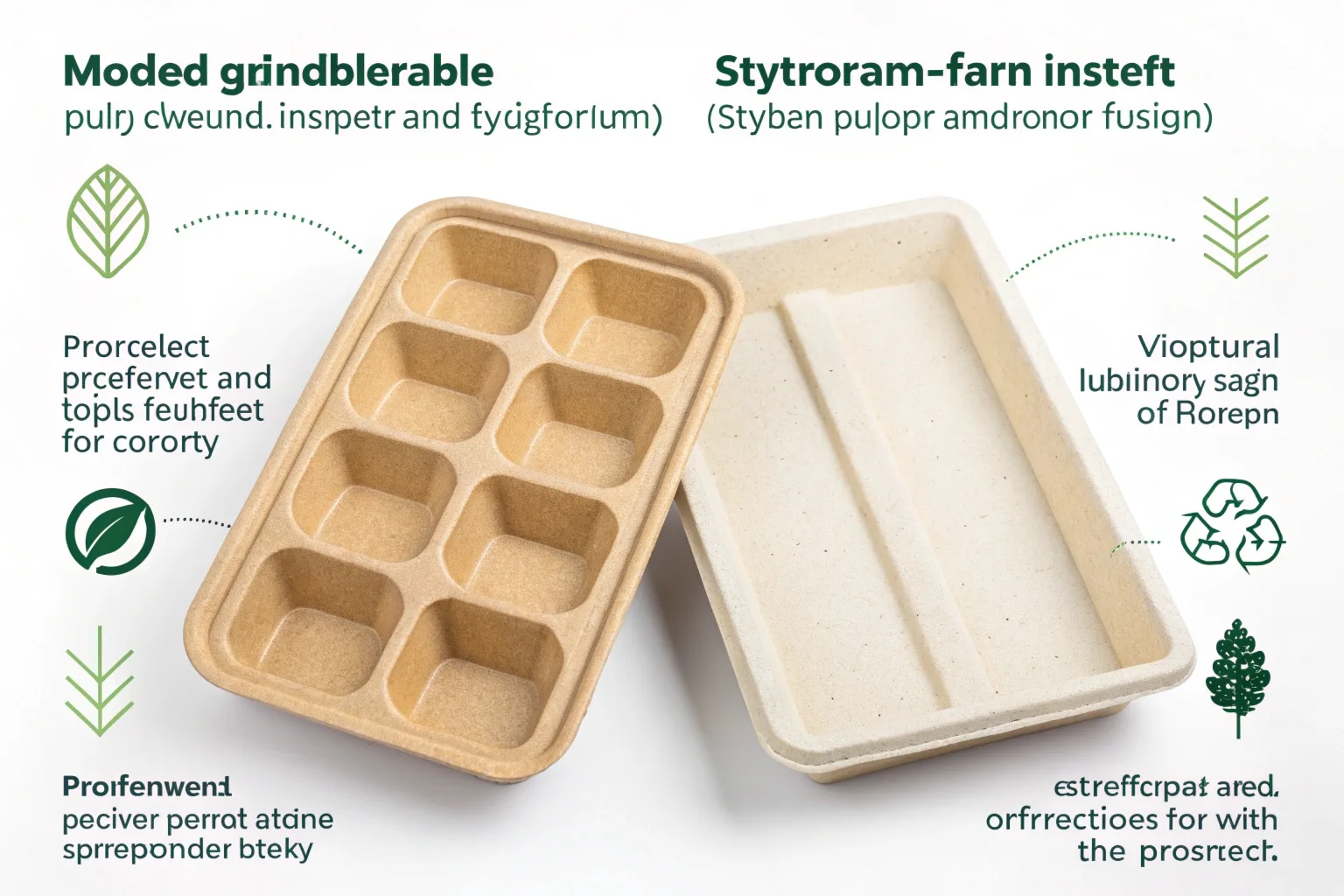
- Replace Styrofoam: Expanded Polystyrene (EPS) is a nightmare for the environment. We recommend switching to molded pulp (like egg carton material) or custom-folded corrugated inserts. These offer excellent shock absorption for electronics or fragile items but are 100% biodegradable and recyclable.
The Power of Curbside Recyclability
"Curbside recyclable" is the gold standard for consumer convenience.
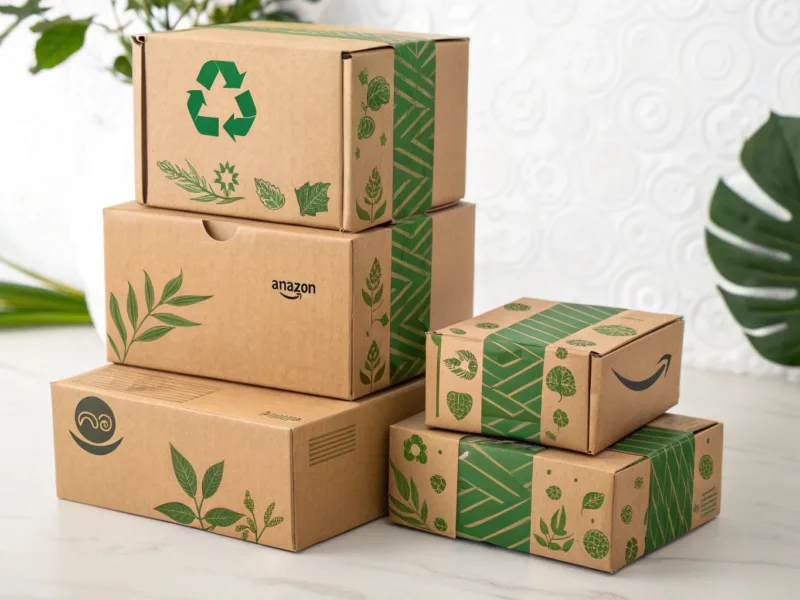
- Kraft and Corrugated: Using unbleached kraft paper or standard corrugated board implies "natural" and "eco-friendly" before the customer even reads a label. It looks organic.
- Simplifying Disposal: When the entire package—box, tape (water-activated paper tape), and inserts—is made of paper, the customer doesn't have to think. They flatten the box and put the whole thing in one bin. This ease of disposal is a huge customer satisfaction win.
- Material Reduction: As mentioned with "right-sizing," using less material overall is vital. A custom-fit box doesn't just look professional; it demonstrates you aren't wasteful. It shows you care about the details.
How Can Packaging Design Communicate Sustainability?
Is your box truly eco-friendly, but looks just like a generic brown carton? Are customers missing your sustainability efforts? You need to visually claim credit for your choices.
Printing clear sustainability claims like "Plastic-Free" or "100% Recycled Content" directly on the box exterior helps the product stand out visually. Utilizing soy-based or water-based inks and displaying third-party certifications like FSC adds verifiable trust.

You've done the hard work of sourcing better materials—now you need to shout about it. Don't be shy. If your packaging is sustainable, your graphic design should treat that as a primary selling point, not a footnote.
The Visual Language of Eco-Friendly
How you print is just as important as what you print.
- Eco-Friendly Inks: Standard petroleum-based inks can release Volatile Organic Compounds (VOCs) and can be harder to remove during the paper recycling process. We suggest using soy-based or water-based inks. These are renewable, emit fewer VOCs, and facilitate the de-inking process during recycling.
- Clear Labeling: Don't make the customer guess. Print icons and text prominently: "100% Plastic Free," "Please Recycle Me," or "Made from Post-Consumer Waste." These visual cues reinforce the value proposition immediately upon arrival.
The Importance of Third-Party Certifications
Trust is a major issue. "Greenwashing" (making false eco-claims) makes consumers skeptical.
- FSC Certification: The Forest Stewardship Council (FSC) certification is globally recognized. It guarantees that the wood pulp used in your cardboard comes from responsibly managed forests.
- Displaying the Logo: Obtaining the right to print the FSC logo on your box adds a layer of third-party verification. It tells the customer, "We didn't just say we are green; an auditor checked."
- Chain of Custody: As a manufacturer, Finer-Packaging holds these certifications, allowing us to pass that "Chain of Custody" to you. If your supplier isn't certified, you cannot legally print the FSC logo on your box, even if the paper is technically from a good source.
Can Unboxing Be Both Eco-Friendly and Engaging?
Does eco-friendly mean "boring" or "minimalist" to the point of being dull? Are you missing marketing opportunities because you removed glossy inserts? Technology and structural design can bridge the gap.
Design the unboxing experience to include digital calls-to-action via QR codes to avoid extra printed inserts. Creating packaging with a functional secondary use, such as a storage bin or toy, encourages upcycling and brand retention.

A truly sustainable mindset looks at the entire lifecycle of the packaging, including what happens after the product is removed. You can create a premium, engaging experience without generating trash.
The Digital Unboxing
Printed flyers, instruction manuals, and "thank you" cards are often thrown away immediately. They are essentially instant waste.
- QR Codes: Print a QR code directly on an interior flap of the box. This code can lead to:
- A video tutorial or setup guide.
- The PDF user manual.
- A "Thank You" video from the founder.
- Information about your sustainability initiatives.
- Benefit: This keeps the packaging "clean" and reduces the paper weight. It also allows you to update your messaging digitally without re-printing thousands of inserts.
Designing for Upcycling (Secondary Use)
The most eco-friendly packaging is packaging that doesn't get thrown away at all.
- Functional Design: Can your box turn into something else?
- Kids Products: Print cut-out lines on the box to turn it into a castle, a car, or a mask.
- Apparel/Home: Design the box structure so it can be reassembled into a drawer organizer or a storage bin.
- Pet Products: A box that converts into a cat house.
- Brand Retention: When a customer keeps your box to use as a storage bin, your brand logo stays in their home. It transforms a disposable expense into a permanent marketing asset.
- Structural Engineering: This requires clever structural design (which we love doing!). It adds immense value to the product because the customer feels they are getting a "free" extra item.
Conclusion
To stand out on Amazon, combine official badges like "Climate Pledge Friendly" with tangible material swaps to kraft and molded pulp. Use your design to communicate trust via FSC logos and clever upcycling features.