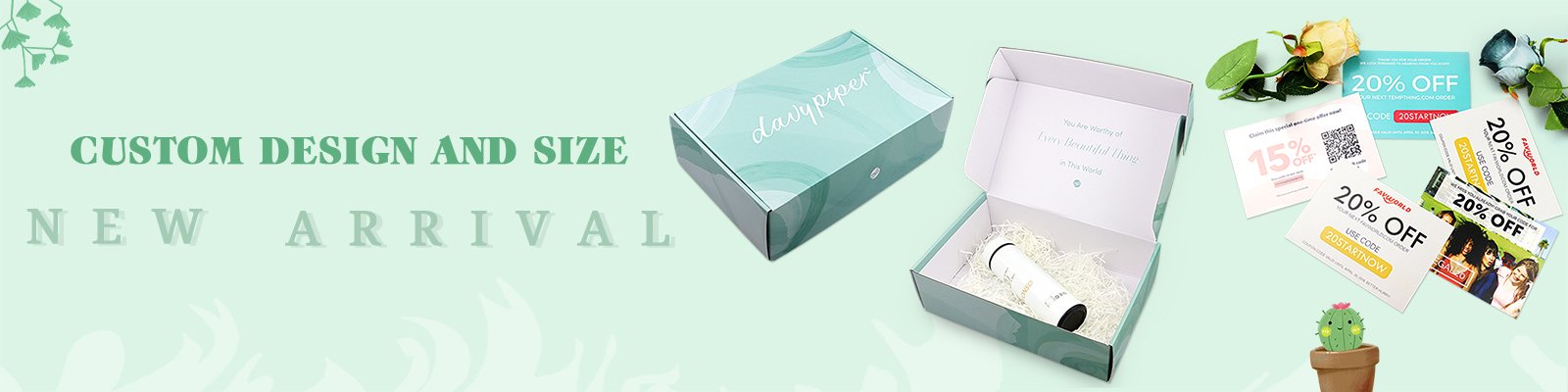
Your product is amazing, but it blends in on crowded shelves. You are losing customers to competitors with more eye-catching packaging. Custom boxes help your brand get the attention it deserves.
Customizing cosmetic boxes involves selecting unique materials, structures, printing techniques, and special finishes. These choices come together to protect your product, showcase your brand's identity, and create an unforgettable experience for your customers.
Your packaging is often the first interaction a customer has with your brand. It’s more than just a container; it's a statement. So, let’s explore how you can make that statement a powerful one. We will break down every step to help you create the perfect cosmetic box.
What Materials and Structures Make the Best Custom Cosmetic Boxes?
Your box feels flimsy and doesn't fit your product right. This can lead to damaged goods and a poor brand image. Choosing the right material and structure prevents this completely.
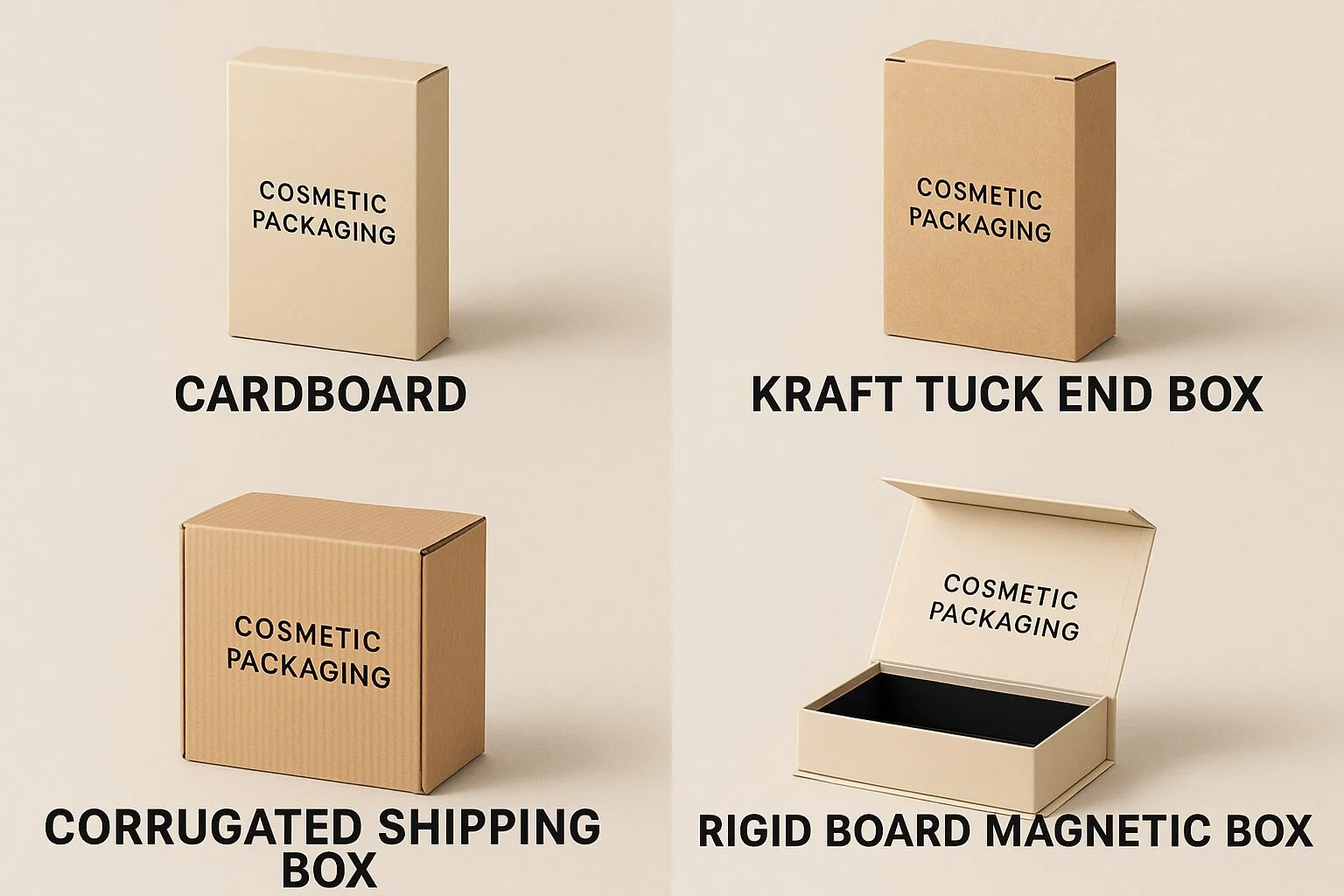
The best cosmetic boxes use materials like cardboard, kraft, or rigid board for durability. Their structure can include custom inserts, windows, or unique openings to enhance security and user experience.
The foundation of any great package is its material and structure. This is not just about looks. It is about protecting your product and creating a satisfying unboxing moment for your customer. At our factory, we see how these choices directly impact a brand’s success. It’s a critical decision that balances cost, protection, and brand perception. A weak box can ruin a great product before it's even opened. Let's look at the details.
Choosing Your Material
The material you choose says a lot about your brand. Are you luxurious? Are you eco-friendly? Are you budget-conscious? Each material tells a different story.
- Cardboard (Folding Carton): This is the most common choice. It is lightweight, prints beautifully, and is very cost-effective. It's great for items like lipsticks, eyeshadows, and smaller skincare bottles.
- Kraft Paper: This material has a natural, rustic look. It's strong and is often made from recycled content. Kraft paper is an excellent choice for brands that want to promote an organic or eco-conscious image.
- Rigid Boxes: These are also called set-up boxes. They areおすすめです for luxury products. Rigid boxes don't fold flat and are made from thick, condensed paperboard. They feel substantial and premium, perfect for high-end gift sets or expensive serums.
Here is a simple table to compare these options:
| Feature | Cardboard (Folding Carton) | Kraft Paper | Rigid Box |
|---|---|---|---|
| Feel | Lightweight, Flexible | Natural, Textured | Heavy, Sturdy, Premium |
| Best For | Everyday cosmetics | Eco-friendly brands | Luxury gift sets |
| Cost | Low | Low to Medium | High |
| Print Quality | Excellent | Good, best with dark inks | Excellent |
Structural Design Elements
The box's shape and internal structure are just as important. The right design keeps your product safe and secure. It also makes the unboxing experience more exciting. Consider adding inserts made from paper, foam, or molded plastic to hold your products in place. This prevents them from moving around during shipping. You can also add a die-cut window. This lets customers see the product inside without opening the box. Unique opening styles, like a sleeve box or a magnetic closure box, can also add a touch of luxury and surprise.
How Do Printing and Finishing Make Your Cosmetic Packaging Pop?
Your packaging colors look dull and fail to stand out on the shelf. The design seems flat and uninspired, easily ignored by busy shoppers. Special printing and finishing can fix this.
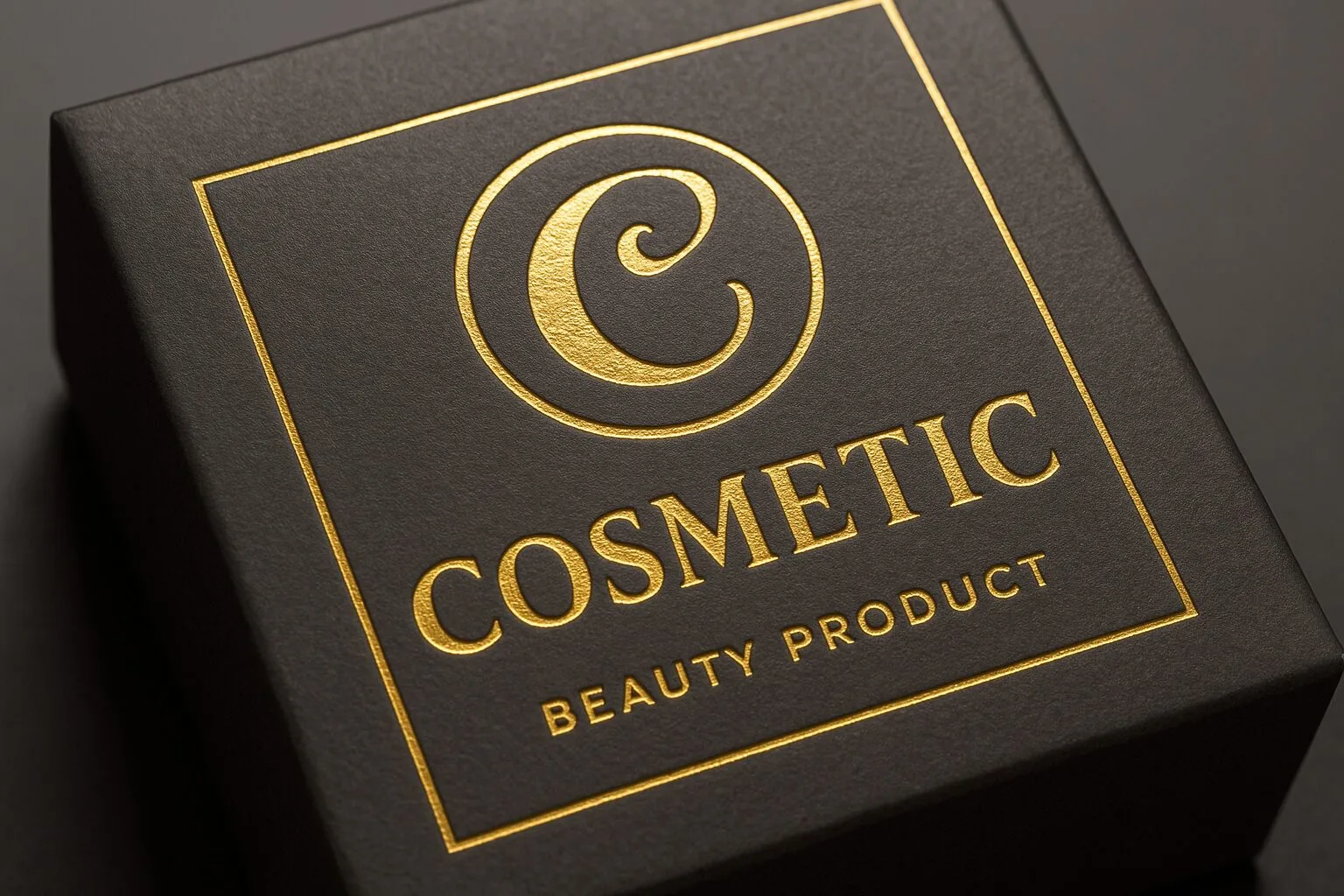
Vibrant printing methods bring your brand's colors and logos to life. Finishing touches like gloss UV, matte lamination, embossing, or hot foil stamping add texture and a premium feel that grabs attention.
Once you've chosen the material and structure, the next step is making it visually appealing. This is where your brand identity truly comes to life. Your colors, logo, and overall design are what customers will remember. Printing and finishing are powerful tools that can transform a simple box into a piece of art. High-quality execution here sends a message of quality and professionalism. It shows customers that you care about every detail, not just the product inside. Think of this stage as dressing your product for success. We handle thousands of designs, and the ones that succeed always pay close attention to these final touches.
The Power of Branded Elements
Consistency is crucial for brand recognition. Your packaging should be an extension of your overall brand identity. Always use your brand's specific color palette, fonts, and logo. This builds trust and makes your products instantly recognizable to repeat customers.
- Logo Placement: Your logo should be prominent but not overwhelming. Place it where it will be seen first.
- Brand Colors: Use CMYK or Pantone (PMS) colors for printing. Pantone colors ensure perfect color matching across all your marketing materials.
- Tagline: If you have a brand tagline, include it on the packaging. It reinforces your brand message.
Key Finishing Touches
Finishing is what takes your packaging from good to great. These special treatments are applied after printing and can add visual and tactile appeal.
- Lamination: A thin plastic film is applied to the paper. Matte lamination gives a soft, elegant feel. Gloss lamination makes colors pop and adds a shiny, reflective look.
- UV Coating: A liquid coating is applied and then cured with ultraviolet light. Spot UV highlights specific parts of your design, like a logo, with a high-gloss finish.
- Foil Stamping: A metallic foil is applied to the paper using heat and pressure. Gold, silver, and rose gold are popular choices that add a touch of luxury.
- Embossing & Debossing: These techniques create a raised (embossing) or depressed (debossing) effect on the paper. It adds texture and sophistication, making your logo or pattern something customers can feel.
Here's how these finishes compare:
| Finishing Tactic | Visual Effect | Best For |
|---|---|---|
| Matte Lamination | Smooth, non-reflective, soft look | Creating an elegant, understated feel |
| Gloss Lamination | Shiny, vibrant, protective | Making photos and bright colors stand out |
| Spot UV | High-gloss contrast on a matte surface | Highlighting logos, text, or patterns |
| Foil Stamping | Metallic, shiny, luxurious | Adding a premium metallic accent |
| Embossing | Raised 3D effect, adds texture | Giving a tactile, high-end feel to logos |
How Can Smart and Sustainable Features Elevate Your Packaging?
Customers today are more demanding. They are looking for brands that align with their values, like sustainability, or offer more than just a product. Standard packaging can feel outdated.
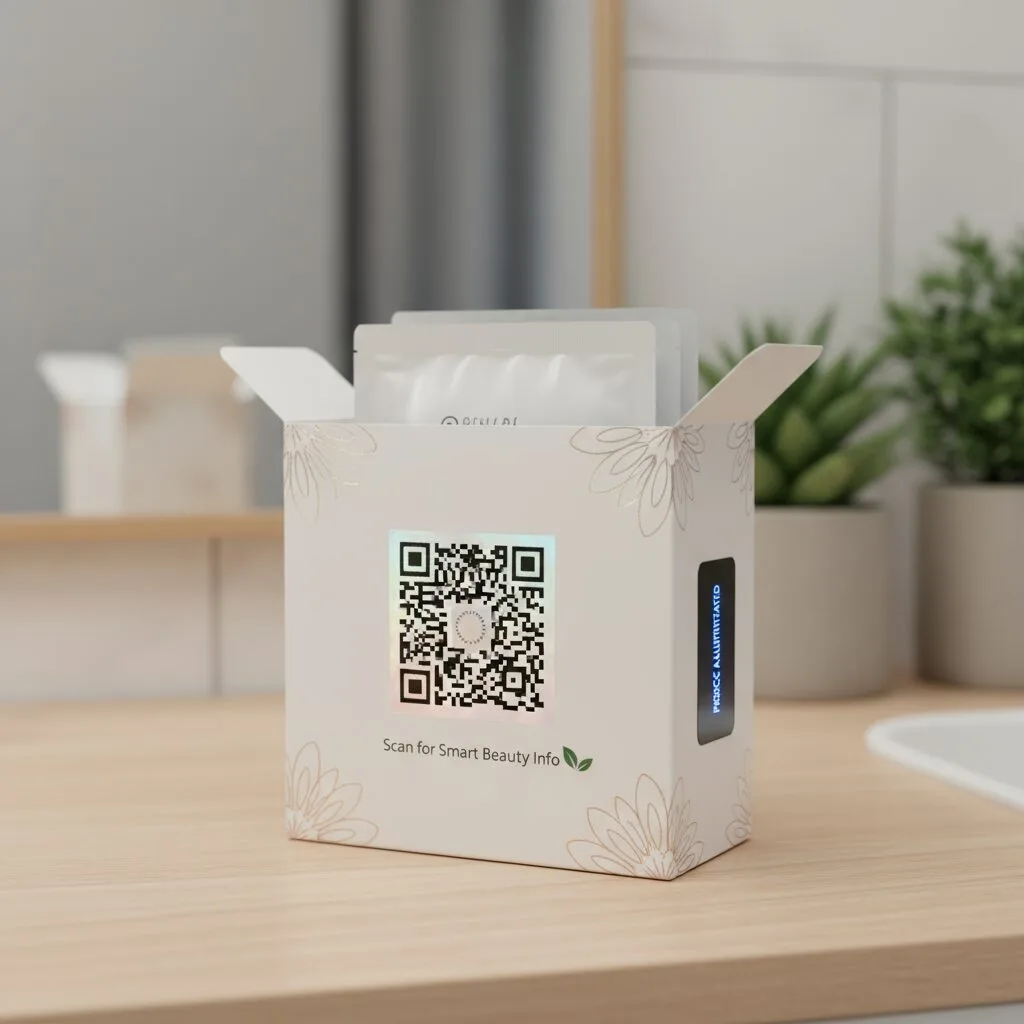
Integrating sustainable materials like biodegradable paper appeals to eco-conscious consumers. Adding smart features like QR codes can link to tutorials or exclusive content, creating a modern, interactive experience.
In today’s market, it's not enough for your packaging to just look good. It needs to be smart and responsible. Consumers are increasingly aware of their environmental impact and seek brands that share their concerns. At the same time, technology has opened up new ways to engage with customers directly through the packaging itself. By combining sustainability with smart features, you show that your brand is forward-thinking. This strategy builds a deeper connection with your audience. It proves you are not just selling a product; you are offering an experience and a commitment to better values. We are seeing more and more clients from North America and Europe request these features for their new projects.
Eco-Friendly Packaging Choices
Sustainability is no longer a niche trend; it's a core expectation for many consumers. Using eco-friendly materials demonstrates corporate responsibility and can be a powerful marketing tool.
- Recycled Materials: Using recycled cardboard or kraft paper reduces waste and demand for new resources.
- FSC-Certified Paper: This certification ensures the paper comes from responsibly managed forests.
- Soy-Based Inks: These inks are more environmentally friendly than traditional petroleum-based inks.
- Minimalist Design: Sometimes, the most sustainable option is using less packaging. A smart design can reduce material use without compromising protection.
Choosing sustainable options can be a key differentiator for your brand. Be sure to communicate your eco-friendly choices on the packaging so customers know you are making a positive impact.
Adding a Digital Layer with Technology
Your packaging can serve as a bridge between your physical product and your digital world. Simple technologies can create engaging and valuable experiences for your customers.
- QR Codes: This is the easiest way to add an interactive element. A customer can scan the code with their phone to be taken to a product tutorial, your brand's social media page, a special offer, or a page to re-order the product.
- Augmented Reality (AR): For a more advanced experience, AR can bring your packaging to life. Customers could use their phone's camera to see a virtual try-on of a makeup shade or watch an unboxing video appear on top of the box.
These features provide added value beyond the product itself. They can educate, entertain, and build a stronger, more connected customer base.
Can Special Edition Packaging Boost Your Cosmetic Sales?
Relying on the same packaging design year-round can lead to brand fatigue. Customers may stop noticing your products on the shelf, and sales can become stagnant over time.
Yes, it can. Limited edition or seasonal custom packaging creates a sense of urgency and excitement. This encourages both new purchases and repeat business from loyal customers who want the special designs.
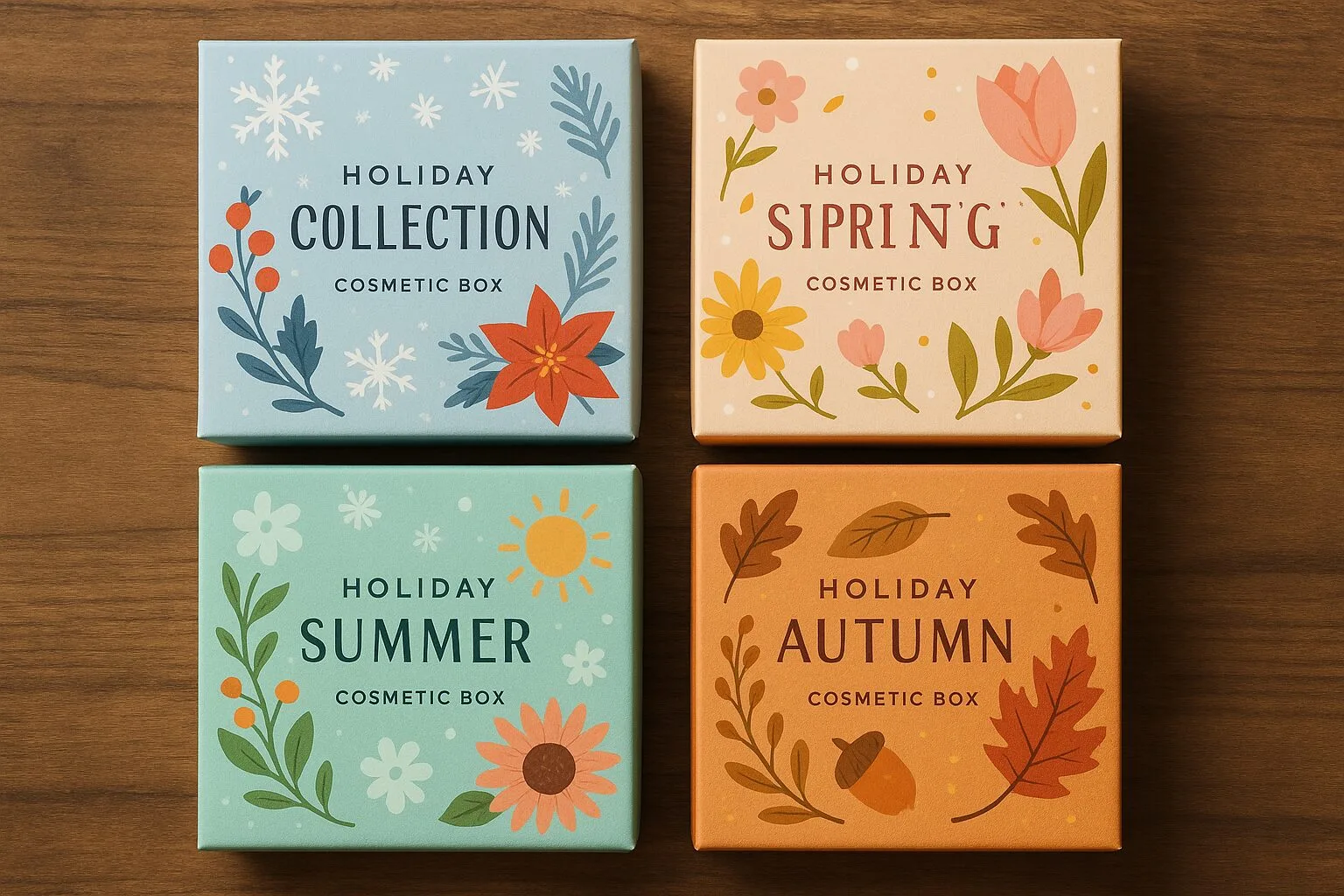
Static packaging is safe, but dynamic packaging is exciting. Changing your design for a limited time can create a significant sales lift. This strategy harnesses the power of scarcity and novelty. People are naturally drawn to things that are new and won't be available forever. It turns a regular purchase into a special event. We've worked with many brands to launch seasonal and limited-run packaging. The results are almost always positive. It reinjects energy into the brand, attracts media attention, and gives loyal fans a reason to buy again.
The Urgency of Limited Editions
Limited edition packaging works on a psychological principle called "fear of missing out," or FOMO. When customers know a unique design is only available for a short time or in small quantities, they are more motivated to buy it now. This is a great way to collaborate with artists or influencers for a co-branded box. It can also be used to celebrate a brand anniversary or special milestone. The key is to make the packaging feel truly special and different from your standard line.
Connecting with Seasonal Trends
Seasonal packaging connects your brand to specific holidays or times of the year. Think of holiday gift sets, summer collections with bright and tropical designs, or Valentine's Day packaging with romantic themes. This makes your products highly giftable and relevant to what consumers are already thinking about. Planning these releases requires good timing. At our factory, we recommend starting the design and production process at least three to four months before the target season to ensure everything is ready on time. A successful seasonal campaign can clear inventory and boost revenue significantly during key shopping periods. For a wholesale business like ours, we typically see a surge in orders for these types of boxes starting in late summer, in preparation for the end-of-year holidays.
Conclusion
Custom packaging is a powerful tool for your brand. It enhances recognition, protects your product, and creates a memorable customer experience, driving both loyalty and sales for your business.