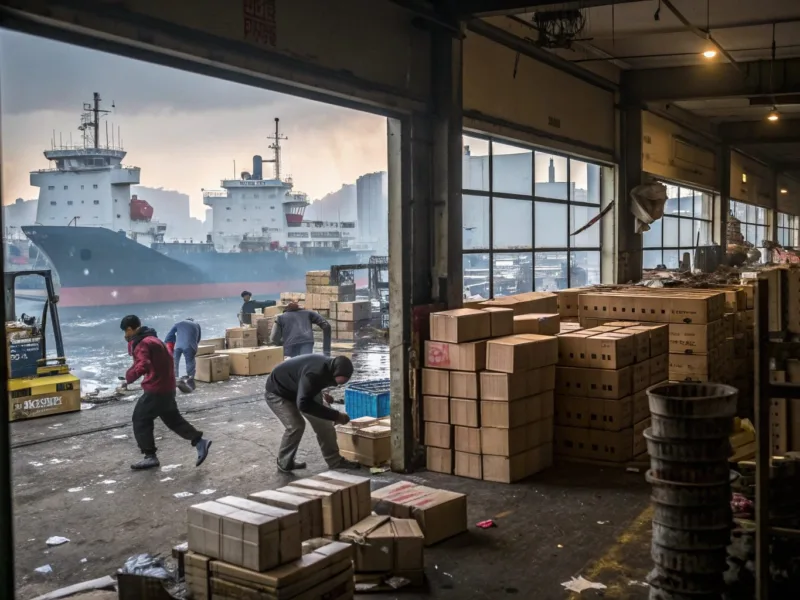
Your custom cosmetic boxes are delayed again. Materials are short, shipments are stuck, and costs are rising. These issues are hurting your business and frustrating your customers.
The biggest risks are material shortages, shipping delays, supplier failures, and quality issues. Regulatory changes, transit damage, and IP theft can also stop production and increase costs, leading to missed deadlines and lost sales.
As Andrew Zhuo from Finer-packaging, I deal with these risks every day in our China factory. We serve B2B clients in North America and Europe. Let's look at the main threats and how to handle them.
Why Do Material Shortages and Supplier Issues Disrupt Your Supply Chain?
You ordered custom boxes with special foils, but production stops because the materials are unavailable. Prices jump overnight, and your budget is blown.
Sudden shortages of paperboard, foils, and laminates can halt work. Supplier instability, like a shutdown, creates bottlenecks. These issues lead to delays and higher costs for your custom cosmetic packaging.
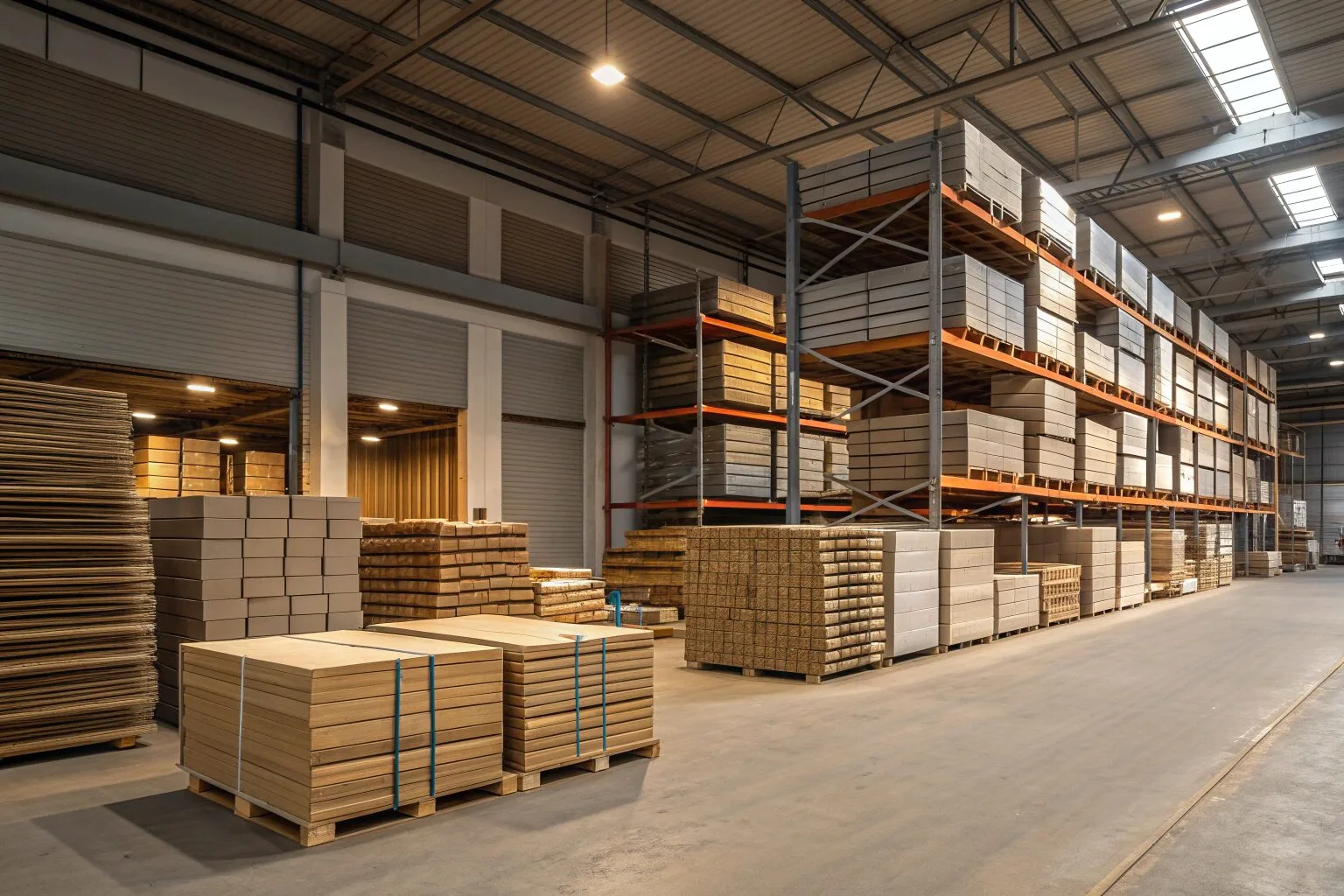
In the world of custom packaging, your supply chain is only as strong as its weakest link. Materials are the foundation. When they fail, everything stops. At our factory, we source specialty items like high-quality paperboard and unique laminates. These are not always easy to get. Shortages happen often due to global demand or production issues at mills. Supplier problems make it worse. A single vendor going out of business can leave you without options. This is a big risk for cosmetic boxes, where premium finishes are key. We see this with clients who need exact color matches or special textures. Without the right materials, we can't start production. This leads to missed launches and unhappy buyers.
The Impact of Material Shortages
Shortages drive up prices fast. A foil we use for luxury effects might double in cost due to supply issues. This hits your bottom line. We try to stock up, but for custom orders with MOQ of 500 pieces, it's hard to predict. Volatility comes from global events like raw material hikes or factory closures. For example, paperboard from Europe might face delays due to energy costs. We advise clients to plan ahead. Lock in prices early. Use alternatives if possible. But for unique designs, options are limited.
Supplier Instability Risks
We rely on a network of suppliers. If one shuts down, it creates a bottleneck. This happened last year with a foil provider. We had to scramble for a new one. For sole-source items, the risk is high. Financial troubles at a supplier can stop your flow overnight. We mitigate this by vetting partners carefully. We look for stable companies with good track records. Diversify where we can. But in cosmetics, some materials are niche. Only a few make them. This makes the chain fragile.
Strategies to Reduce These Risks
Build buffers. Order extra materials for key items. We do this for repeat clients. Communicate often. Share forecasts with suppliers. This helps them prepare. For our B2B model, we offer advice on material choices. Pick ones with multiple sources. This cuts risk. We also test samples early. Catch issues before full production.
| Risk Factor | Potential Impact | Mitigation Strategy |
|---|---|---|
| Material Shortages | Production halts, price increases | Stock buffers, alternative materials |
| Supplier Shutdown | Immediate bottleneck, no quick replacement | Diversify suppliers, vet financial stability |
| Price Volatility | Budget overruns, delayed orders | Lock in contracts, monitor market trends |
These steps help. But risks remain. In 10-15 business days production time, a shortage can push timelines out. We work hard to avoid that for our wholesale clients.
How Do Shipping and Regulatory Changes Create Delays and Costs?
Your boxes are ready, but they sit at a port for weeks. Customs holds them up. New rules force changes. Your delivery is late, and costs soar.
International shipping risks include port congestion and container shortages. Evolving regulations on materials and traceability add costs. Transit damage from scuffs or moisture can make boxes unsellable.
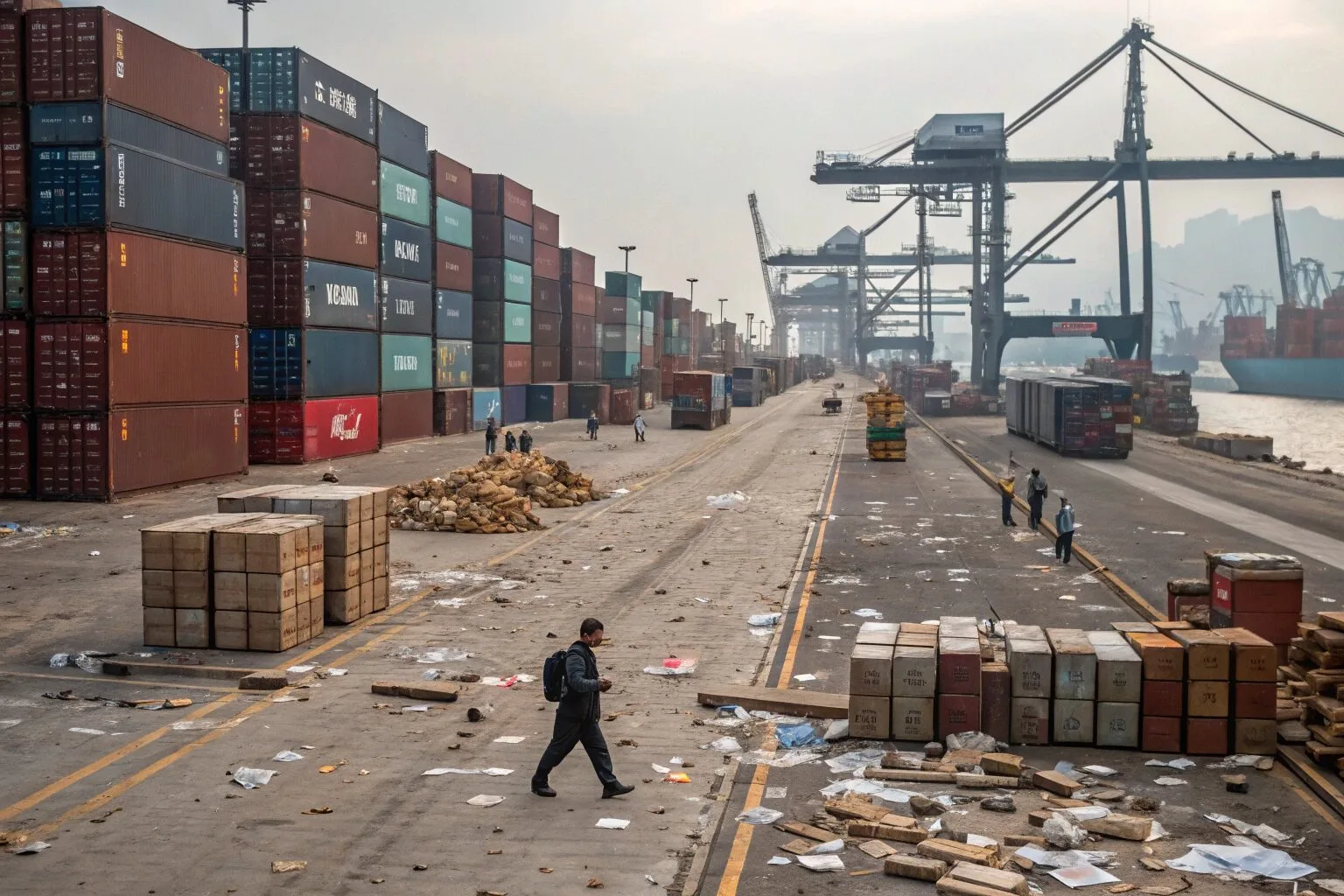
Shipping from China to your market is a big part of our business. We export to North America and Europe. But global logistics is full of pitfalls. Ports get congested. Containers are hard to find. Customs can delay clearance. These slow down your orders. Regulations change too. New laws on eco-friendly materials force redesigns. Damage in transit is common. Even a small dent ruins a premium cosmetic box. These risks add time and money. For custom packaging, where looks matter, this is critical. We pack carefully, but issues happen. Geopolitical events like tariffs make it worse. They raise costs or block routes.
Shipping and Logistics Challenges
Port congestion is a top issue. Think of delays at major hubs like Shanghai or Los Angeles. Ships wait days or weeks. This extends our 10-15 day production to months for delivery. Container shortages happen during peaks. We can't get enough to ship your order. Customs delays come from paperwork errors or inspections. For cosmetics, rules on imports are strict. One mistake holds everything.
Regulatory and Environmental Risks
Markets like Europe push for more recycled content. Ink must meet safety standards. Traceability is key. Show where materials come from. If rules change, we rework designs. This costs extra. Last-minute shifts are expensive. We stay updated on laws. Advise clients on compliant materials. But surprises occur. A new tariff from a trade dispute can add 25% to costs overnight.
Transit Damage Concerns
Boxes face rough handling. Moisture in containers causes warping. Impacts lead to dents. For premium boxes with finishes like spot UV, this is bad. They become unsellable. We use strong outer cartons and padding. But risks persist. Insurance helps, but prevention is better.
| Challenge | Common Causes | Ways to Mitigate |
|---|---|---|
| Shipping Delays | Port congestion, container shortages | Use multiple carriers, plan buffer time |
| Regulatory Changes | New eco-laws, tariffs | Stay informed, choose flexible materials |
| Transit Damage | Handling, moisture exposure | Better packing, quality materials |
We track shipments closely. Communicate updates. For start-up brands, these risks can kill launches. We help by offering solutions like air freight for urgent needs.
What Production and Security Risks Can Ruin Your Custom Boxes?
Your design specs are clear, but the factory gets it wrong. Boxes come out defective. Or worse, a competitor copies your unique style. Production grinds to a halt.
Miscommunication of specs leads to errors. Poor tooling testing causes defects and delays. IP theft through supply chain leaks lets competitors copy your designs.
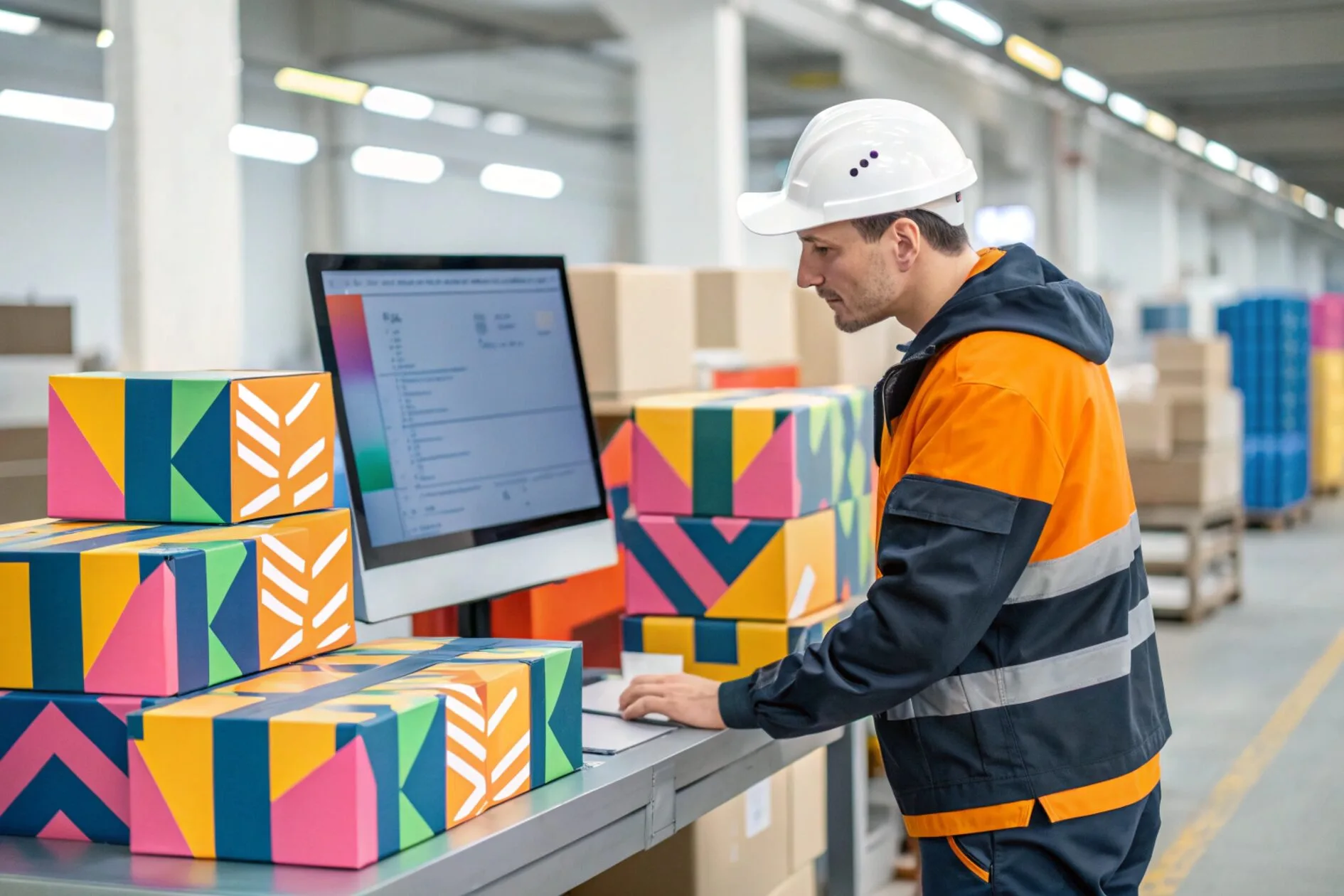
Production is where ideas become reality. But risks are high. Specs get lost in translation. Tooling fails. Quality slips. IP gets stolen. For custom cosmetic boxes, precision is everything. A color mismatch rejects the whole run. We use dies and plates for cuts and embossing. If not tested, problems arise. Communication is key between you and our factory. Geopolitical events add layers. But security is big. Unique designs are valuable. Leaks happen through suppliers or staff.
Miscommunication and Quality Control
Complex designs need clear specs. Unique dies or finishes are hard to describe. Emails get misunderstood. This leads to wrong production. We use detailed drawings and samples. But errors occur. Quality control varies. A supplier's color error ruins batches. We inspect at every step. Reject bad lots. But it delays orders.
Tooling and Production Delays
Tooling like cutting dies must be perfect. Without proper tests, mass production fails. Defects appear. This stops work. We test early. But for new designs, it's a risk. Time is lost fixing issues.
IP Theft Threats
Your box design is your edge. If leaked, competitors copy it. This happens via shared suppliers or hacks. We sign NDAs. Limit access. But risks exist. Protect your brand.
| Risk | Consequences | Prevention Measures |
|---|---|---|
| Spec Miscommunication | Incorrect production, reworks | Detailed briefs, prototypes |
| Tooling Failures | Delays, defective products | Thorough testing, quality checks |
| IP Theft | Loss of uniqueness, market share | NDAs, secure processes |
We focus on clear talks. Use video calls. Send samples. This cuts risks for our clients.
Conclusion
Supply chain risks for custom cosmetic boxes include materials, shipping, regulations, and production issues. Plan ahead, communicate well, and partner with reliable factories like ours to minimize them.