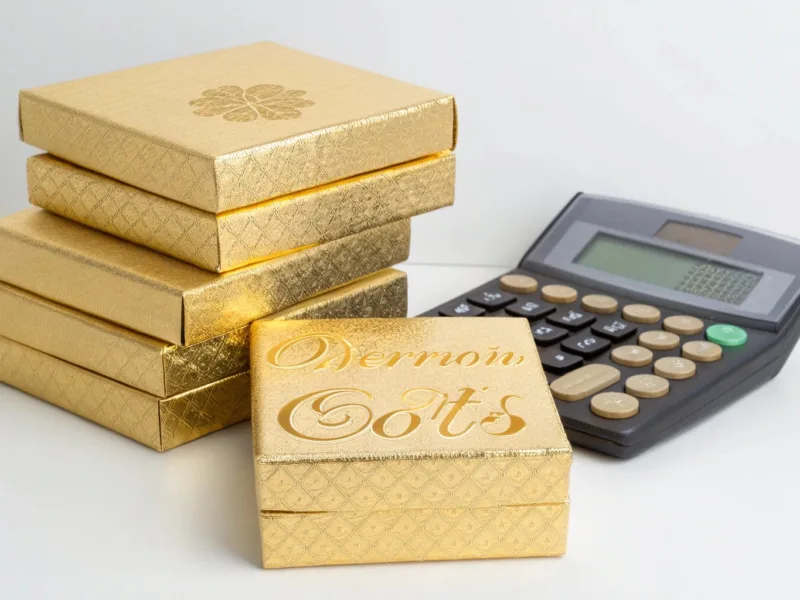
Your luxury boxes look amazing, but the final bill is always higher than expected. These overruns are frustrating and cut into your profits on every order.
Costs exceed budgets due to premium materials, specialty finishes, complex designs, low quantities, and hidden fees like freight. Scope creep and rushes add more, turning small choices into big expenses.
As Andrew Zhuo from Finer-packaging, I hear this from clients often. We make custom packaging in China for B2B buyers. Let's examine the main reasons your costs climb and how to control them.
Why Do Premium Materials and Finishes Add So Much to the Bill?
You chose thick greyboard and textured paper for that high-end feel, but the quote jumped. Each extra finish like foil or UV seems small, yet they pile up fast.
Premium materials like rigid greyboard and specialty papers raise base costs. Each finish—foil stamping, embossing, or spot UV—is a separate step with setup fees. Color matching on textured stocks needs extra time and waste, boosting expenses.
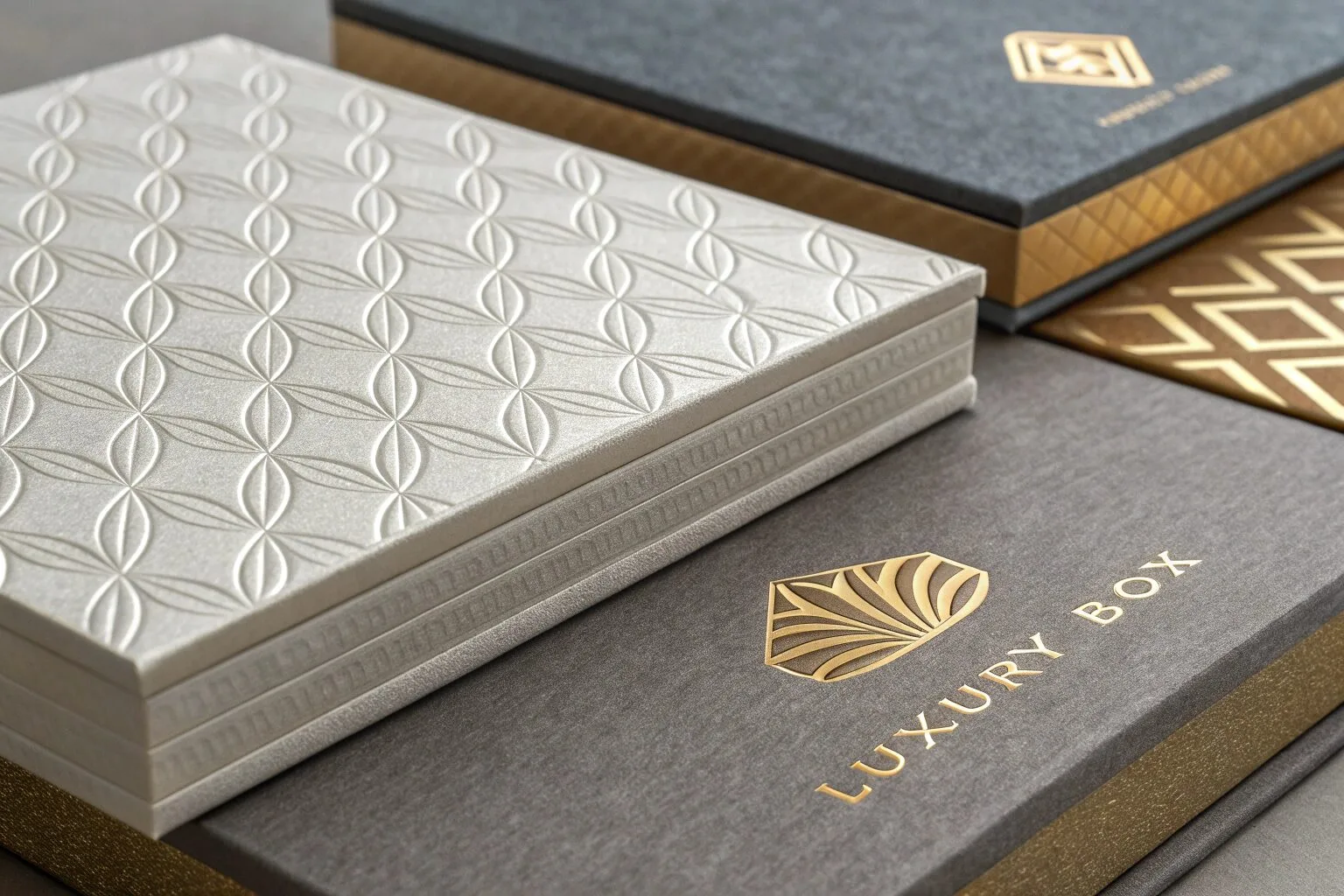
Luxury packaging is about creating a premium experience. But that experience comes at a price. At our factory, we use top materials to meet your brand's standards. These choices drive costs higher than standard boxes. Clients often start with basic ideas, then add features for appeal. Each addition has a real cost. We see this in cosmetic or gift boxes where looks matter most. The base material sets the tone, and finishes build on it. But without planning, these can blow your budget. I always advise on trade-offs early.
The High Cost of Premium Materials
Thick greyboard is strong and rigid. It gives boxes that solid feel. But it costs more than thin cardboard. Specialty papers with textures or coatings add even more. These are not cheap. We source them for quality, but prices vary. For example, imported textured stock can be twice the price of basic paper. This base cost is just the start. It affects everything else.
Specialty Finishes as Separate Steps
Each finish is its own process. Hot foil stamping needs a custom die and machine setup. Embossing requires plates. Spot UV adds a glossy layer. We charge for each because they take time and tools. Setup fees are fixed, so small runs hurt more. Color consistency is tough on uncoated papers. Pantone matches need test runs. This uses extra ink and paper. Waste adds up. We might run 10% more material to get it right.
Managing Color and Waste
Brands demand perfect colors. On textured stocks, ink absorbs differently. We adjust presses multiple times. This takes hours. Extra material goes to scrap. Costs rise. We test samples to minimize this. But it's a common budget buster.
| Element | Cost Driver | Way to Control |
|---|---|---|
| Premium Materials | Higher price per unit for thickness and texture | Choose mid-range options for non-key areas |
| Specialty Finishes | Setup and run fees for each process | Limit to 2-3 finishes per box |
| Color Matching | Extra press time and material waste | Use standard colors where possible |
These factors can double your per-unit cost. For our MOQ of 500 pieces, plan materials wisely. At 1000 pieces, it gets cheaper per box.
How Do Design Choices and Order Size Inflate Your Expenses?
Your box design includes a magnetic closure and foam insert. It seemed simple, but tooling fees appeared. Low quantities make each box pricier than expected.
Complex structures need costly tooling and manual labor. Low orders spread fixed costs over fewer units. Scope creep adds features incrementally, while hidden complexities in designs require extra steps like special gluing.
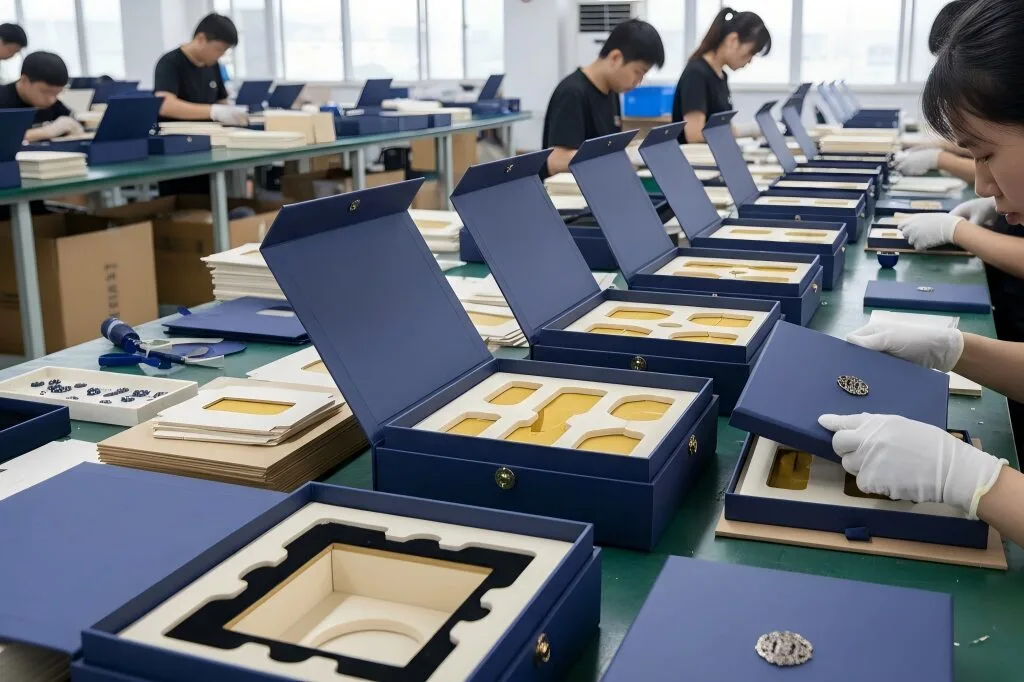
Design is where budgets often go off track. You start with a sketch. It looks easy. But in production, details add costs. At Finer-packaging, we build custom dies for cuts. These are one-time fees. Complex boxes need more labor. Hands assemble delicate parts. Low volumes hurt because setups are the same for 500 or 5000 boxes. Scope creep is sneaky. You add a logo here, a finish there. Each change ups the price. Digital designs hide real-world issues. We find them in prototypes. This is common for start-up brands or luxury items.
Tooling and Structural Complexity
Magnetic closures need precise cuts. We make custom dies. This costs hundreds. Foam inserts require molds. These are extras. Manual assembly adds labor. Workers glue and fit parts. It's slow but necessary for quality. Non-standard designs need special techniques. A unique fold might require hand-finishing. This only shows in physical tests.
The Impact of Low Order Quantities
Fixed costs like plates and dies are spread out. For 500 pieces, per-box cost is high. At 1000, it drops. We recommend larger runs for savings. But for tests or launches, small is fine. Just expect the premium.
Scope Creep and Hidden Complexities
You approve small changes. An extra foil. Higher paper grade. They add up. Final cost surprises. Designs look simple online but need tweaks in reality. We catch this in sampling.
| Factor | How It Increases Cost | Budget Tip |
|---|---|---|
| Complex Structures | Tooling fees and manual labor | Simplify where possible |
| Low Quantities | Fixed costs per unit are higher | Increase to 1000 for better rates |
| Scope Creep | Incremental additions build up | Set firm limits early |
We produce in 10-15 days. But complex designs take longer. Plan to avoid rushes.
What Overlooked Fees and Rushes Are Breaking Your Budget?
You got the production quote, but freight and duties doubled it. Last-minute changes forced air shipping. Sampling rounds added unexpected bills.
International freight and duties for heavy boxes are high. Multiple samples and revisions cost extra. Rushes lead to fees and air freight. Last approvals cause expedited timelines.
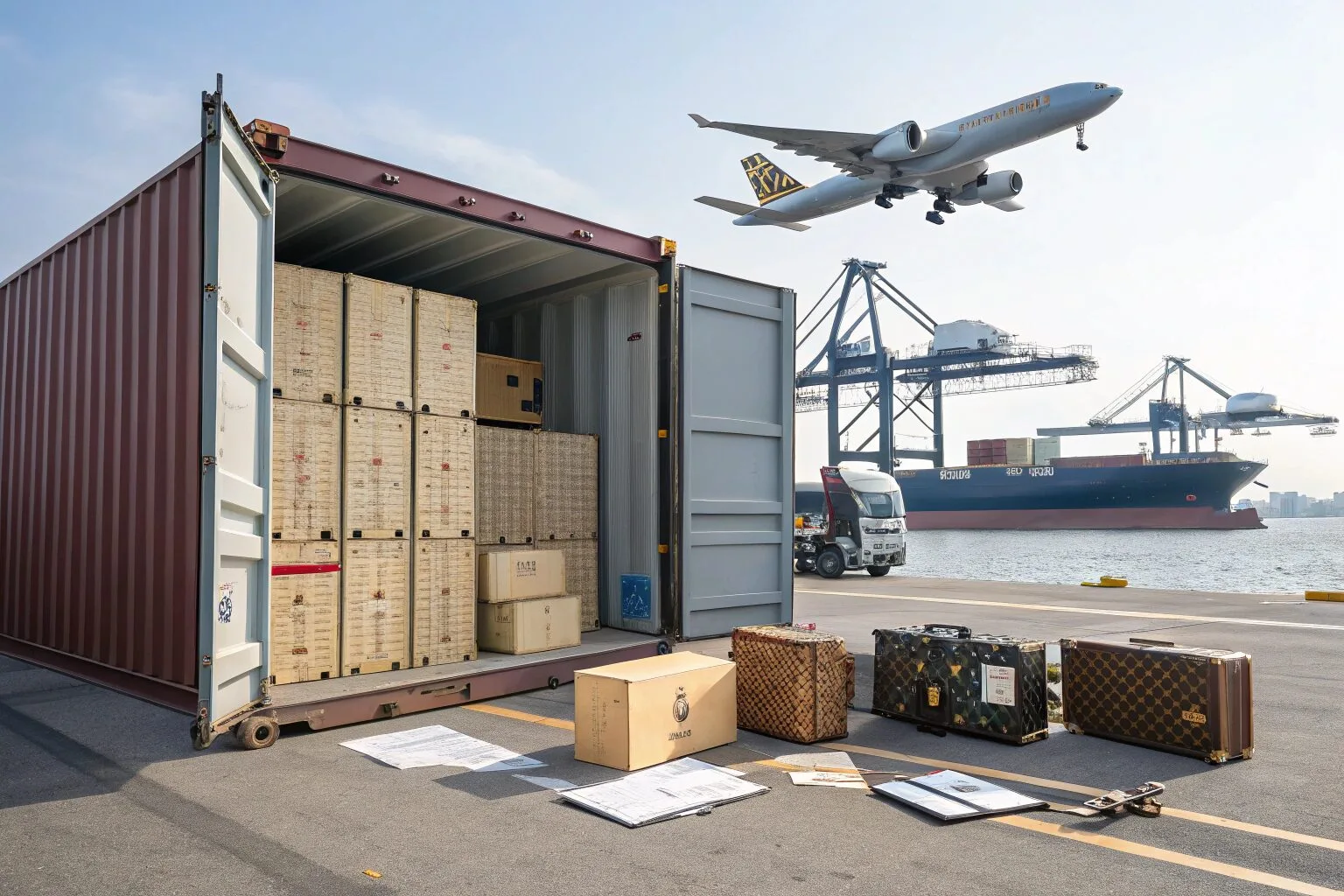
Many clients focus on unit price. They forget the full picture. Shipping from China adds big costs. Luxury boxes are bulky and heavy. Freight is based on volume. Duties vary by country. We ship to North America and Europe. Rates fluctuate. Sampling is separate. Each round costs. Revisions pile up. Rushes are worst. You need boxes fast. We charge extra. Switch to air instead of sea. That's expensive. These are common traps.
Freight and Import Costs
Boxes are rigid. They take space. Sea freight is cheaper but slow. Air is fast but costly. Duties can be 10-20%. Landed cost surprises. We estimate early. But weights and sizes matter.
Sampling and Revisions
Physical samples show real costs. Each set is $50-200. Revisions mean more. We do 2-3 rounds often. It adds up.
Rush Charges and Expediting
Last-minute okay means overtime. We rush production. Use air freight. Costs skyrocket. Plan ahead to avoid.
| Overlooked Fee | Reason for High Cost | How to Avoid |
|---|---|---|
| Freight and Duties | Bulky size and international rules | Get full quotes upfront |
| Sampling Revisions | Separate from bulk production | Limit to 1-2 rounds |
| Rushes | Extra labor and fast shipping | Allow full 10-15 day timeline |
We promote via Alibaba and Google. Contact me at sales02@finer-packaging.com for accurate quotes.
Conclusion
Luxury boxes exceed budgets from materials, designs, low runs, and hidden fees. Plan carefully, limit changes, and order more to keep costs in check.